Steelie Awards FINALISTS 2026
Introduction
The Steelie Awards recognise World Steel Association (worldsteel) member companies for their contribution to the steel industry over a one-year period. The selection process for nominations varies between awards. In most cases, nominations are requested through the appropriate membership committee and the worldsteel extranet. Entries are then judged by selected expert panels using agreed performance criteria. The winners of the 2026 Steelie Awards will be announced on Monday 12 October 2026.
Steelie Awards Finalists overview
Excellence in clean steel production
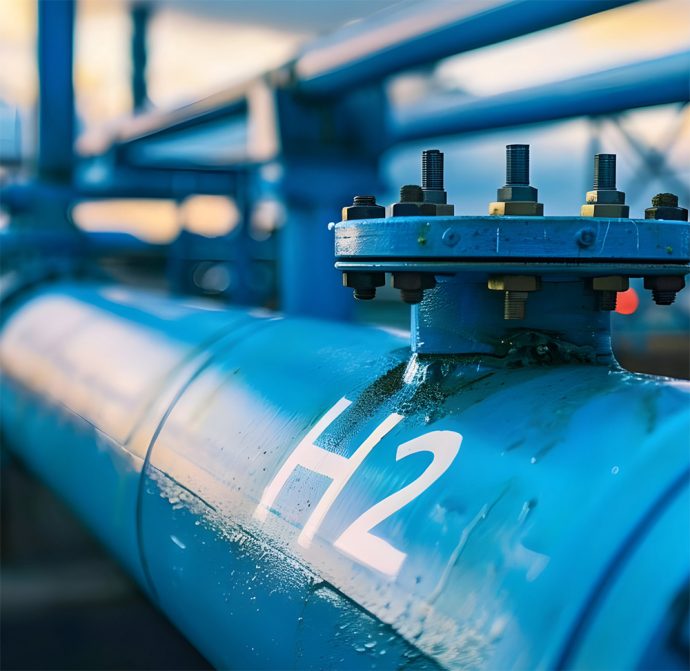
Ansteel Group Corporation Limited – HIFRI® green hydrogen zero carbon cleaner production practice
ArcelorMittal – Circular economy for clean air in ArcelorMittal Differdange
China Baowu – Massive improvement in air quality by developing and deploying low-temperature hydrolysis dry desulphurisation technology for blast furnace
HBIS Group Co., Ltd. – Complete set of technology for reducing pollution and consumption of sintering flue gas
JSW Steel Limited – A renewable green hydrogen and oxygen ecosystem for clean steel production
Tenaris – Tenaris decarbonisation strategy on renewable electricity
Ternium – From dust to trust: Autonomous emission reduction and intelligent suppression
Excellence in process and product innovation
Ansteel Group Corporation Limited – Intensified blast furnace smelting technology for high-TiO2-bearing vanadium titanomagnetite
EMSTEEL – From metallurgical challenge to industrial breakthrough: high-toughness Si-killed jumbo sections without vacuum degassing
HBIS Group Co., Ltd. – Key technological innovation and application of 2400 MPa grade ultra-high strength and toughness hot stamping steel
JFE Steel Corporation – MD finish: A novel rolling-based surface engineering technology enabling whiteness and image clarity
Nippon Steel Corporation – SuperDyma GB: A Zn-Al-Mg-Si alloy-plated steel sheet with pigmented post-treatment, enabling production without post-painting
Excellence in sustainability
China Baowu – Hydrogen reduction & electric smelting process: A solution for near-zero carbon sustainable development
China Steel Corporation – From industrial by-product to green infrastructure: Quantified carbon reduction and sustainable application of BOF slag asphalt pavements
JFE Steel Corporation – JFE Blue Infrastructure Platform: Delivering circular economy, biodiversity recovery and blue carbon through steelmaking by-products
Mobarakeh Steel Company – People first, planet better, industry stronger
Nippon Steel Corporation – Sea forest creation project
Excellence in Life Cycle Assessment
ArcelorMittal – Scaling digital LCA governance across the ArcelorMittal Group
EMSTEEL – From plant data to customer carbon decisions: EMSTEEL’s LCA-Powered TrueGreen
Hyundai Steel Company – Standardisation of LCA methodologies to improve comparability across steel products
Jingye Group – Practice of digitalising the full-process carbon footprint of steel products to empower high-quality trade development
JSW Steel Limited – LCA in a project application
Excellence in people
China Baowu – Digital intelligence engineer talent development system initiative
InfraBuild – Building the future steel workforce: InfraBuild’s workforce renewal system
Jindal Steel Limited – Dakshata – Engineering safety, one duty position at a time
Tata Steel – Building an AI-ready enterprise: Transforming workforce capability into business value
Usinas Siderúrgicas de Minas Gerais S.A. (USIMINAS) – Steel Minds, Stronger Futures: The USIMINAS mental health programme
Excellence in communications programmes
Aceros AZA S.A. – Healing domes resignifying weapons into safe spaces for children through material metaphor
Gerdau S.A. – Gerdau’s steel shaping the world’s largest skateboard ramp and new global records
Hyundai Steel Company – Hyundai Steel × aespa dirty work music video collaboration
POSCO – POSCO Studio
Excellence in clean steel production
Ansteel Group Corporation Limited
HIFRI® green hydrogen zero carbon cleaner production practice
HIFRI® Green Hydrogen Zero-Carbon Cleaner Production Practice is a pioneering
hydrogen-based ironmaking demonstration designed to eliminate fossil fuel use and
deeply decarbonise steel production.
Ansteel’s proprietary HIFRI® (Hydrogen Internal Diffusion-less Fluidised Bed Direct
Reduced Iron) technology addresses particle sticking and defluidisation, longstanding barriers in fluidised-bed hydrogen reduction. It enables efficient reduction of iron ore at lower temperatures and integrates renewable electricity, water electrolysis, green hydrogen production and direct reduced ironmaking.
At Ansteel’s Bayuquan site, abundant wind power supplies electrolytic hydrogen through a direct green-power connection. The world’s first demonstration line completed hot commissioning in September 2024 and achieved stable full-process operation by the end of 2025. It consistently produces direct reduced iron (DRI) with a metallisation rate above 95%, validating the process under industrial conditions.
Compared with the conventional blast furnace route, HIFRI® cuts CO2 emissions by more than 90% and eliminates coking- and sintering-related SO2, NOx and dioxin emissions. At 500,000 tonnes annual production, it could avoid more than 750,000 tonnes of carbon emissions each year. With fully renewable power, cold-rolled steel has a footprint of about 0.8 tonnes CO2 per tonne.
The project has secured more than 30 domestic and international patents, TÜV Rheinland certification and Environmental Product Declarations covering several product categories. Its zero-carbon DRI is already used in automotive steel, battery casings and advanced equipment manufacturing.
Designed as a modular, scalable package adaptable to different ore grades and renewable-energy conditions, HIFRI® offers a commercially viable pathway from carbon-intensive ironmaking to large-scale hydrogen metallurgy and a potential model for the global steel industry’s transition towards carbon neutrality.
ArcelorMittal
Circular economy for clean air in ArcelorMittal Differdange
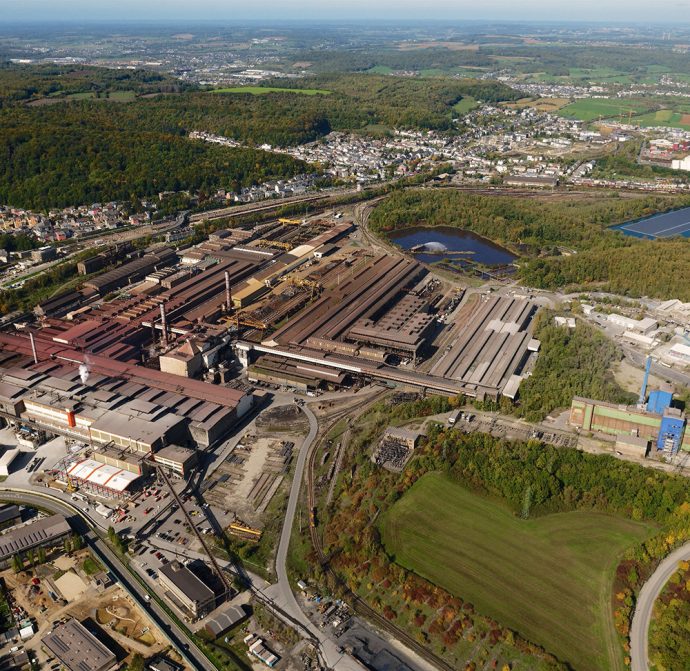
The project aims to sharply reduce diffuse dust emissions from ArcelorMittal’s Differdange steel plant in Luxembourg while applying circular economy principles to environmental infrastructure.
Located in a densely populated urban area, the plant identified three major sources: the ladle furnace, ladle repair operations and black slag processing, historically conducted near homes. ArcelorMittal moved slag handling further from residential areas and designed a large-scale dust capture and filtration system based on Best Available Techniques (BAT).
Instead of constructing a new system, the company recovered and refurbished a high-capacity baghouse filter from a decommissioned facility in Florange, France. Giving this equipment a second life reduced the project’s environmental footprint and saved approximately €5.5 million in capital expenditure.
The installation combines a 1.2 million m3/h filtration system with purpose-built extraction hoods that capture emissions at source. Around 87% of the site’s major diffuse emission sources are connected. Diffuse dust emissions have fallen by 80%, while stack emissions remain below 5 mg/Nm3, exceeding European BAT requirements. Atmospheric chromium and zinc deposition has also declined, improving air quality and working conditions.
Implemented from October 2023 to January 2026, the €22.5 million project was completed on schedule and within budget, with Luxembourg Government support. A third phase is extending dust capture to additional rolling mill sources.
The project combines proven filtration, source capture and industrial asset reuse in a practical, replicable model for steel facilities, particularly those in urban areas. It shows that environmental performance, operational efficiency and circular economy principles can be integrated successfully in clean steel production.
China Baowu
Massive improvement in air quality by developing and deploying low-
temperature hydrolysis dry desulphurisation technology for blast furnace
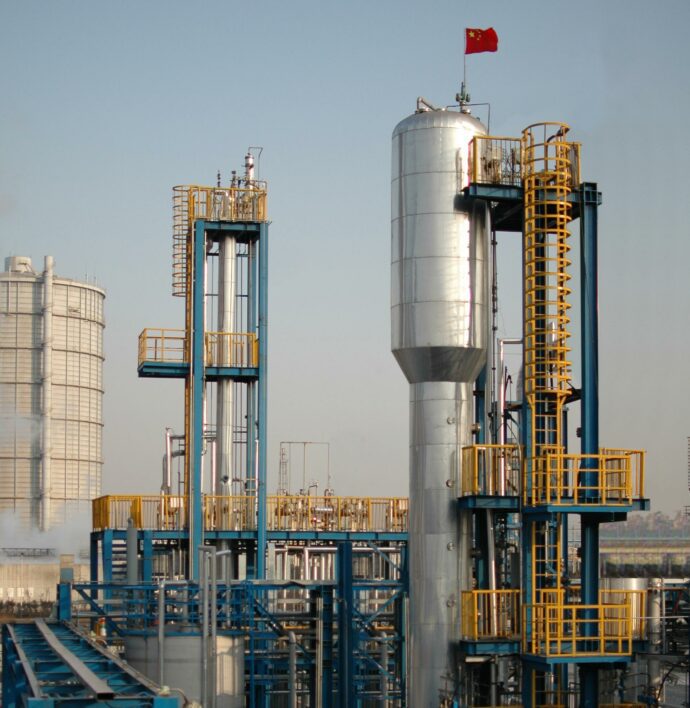
The project addresses a major steel-industry environmental challenge: sulphur dioxide (SO2) emissions generated when blast furnace gas (BFG) is reused as a fuel across steelworks operations.
Baosteel developed a three-stage process combining pre-treatment, low-temperature hydrolysis and dry desulphurisation. Organic sulphur compounds in the gas are converted into hydrogen sulphide and removed with proprietary iron oxide-based adsorbents. Operating at 60–120°C rather than the conventional 200–400°C reduces energy use while maintaining high desulphurisation efficiency. Proprietary catalysts convert more than 98% of carbonyl sulphide (COS) and over 80% of carbon disulphide (CS2), enabling effective pollutant removal at source.
Development progressed from laboratory and pilot testing to industrial deployment at three sites: a 10,000 m3/h pilot unit at Baosteel’s Baoshan site, a 100,000 m3/h system at WISCO and a 400,000 m3/h commercial facility at Maanshan Steel. Sulphur removal exceeded 90%, with reliable operation across varying gas compositions and flow conditions.
Environmental gains were substantial. Annual SO2 emissions fell by 72.7% at WISCO and 90% at Maanshan Steel. WISCO’s compliance with China’s ultra-low emissions standard of below 50 mg/m3 rose from about 60% to 99.9%. Central treatment of blast furnace gas, rather than treatment at individual combustion points, also reduces infrastructure, limits secondary pollution risks and avoids more than 15 separate facilities.
Aligned with Baosteel’s broader clean-steel and carbon-neutrality strategy, the low-temperature process cuts steam consumption by around 70%, reducing operating costs and associated emissions. The technology has received multiple awards, generated several patents and is supported by partnerships with universities and industrial organisations.
Successful multi-site deployment, scalability from pilot to commercial operation, relatively low capital and operating costs, and applicability to blast furnace operations worldwide make the technology a practical, transferable solution for improving air quality and supporting cleaner steel production across the industry.
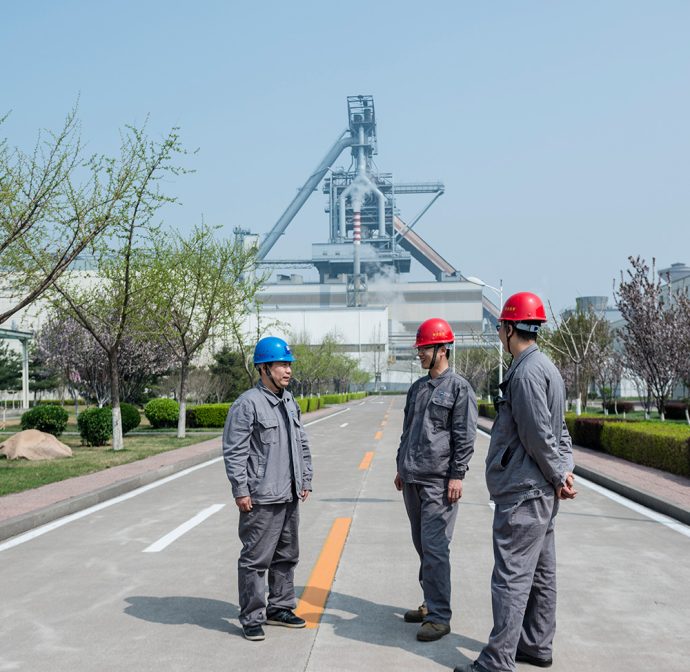
HBIS Group Co., Ltd.
Complete set of technology for reducing pollution and consumption of sintering flue gas
The project is an integrated solution to reduce air pollution, energy consumption and carbon emissions in sintering, one of steel production’s most environmentally intensive stages. It combines source reduction, energy recovery and intelligent process control.
HBIS identifies sintering as a critical challenge because it provides around 70% of blast furnace burden material in China and generates more than half of steelmaking pollutants and carbon emissions. Conventional dust removal, desulphurisation and denitrification systems are fuel-intensive, increasing energy use, operating costs and the environmental burden of downstream treatment.
Its advanced selective flue-gas recirculation system raises recirculation from the typical15–20% to more than 35%, cutting pollutant formation at source while recovering useful process heat. A catalytic oxidation system converts carbon monoxide into heat, replacing fossil-fuel heating for selective catalytic reduction (SCR) denitrification and simultaneously reducing CO emissions. An intelligent prediction model uses operating and emissions data to optimise desulphurisation and denitrification reagent dosing, improving control precision and lowering chemical consumption.
The project reports major benefits: external exhaust volumes fell by more than 30%; particulate, sulphur dioxide and nitrogen oxide emissions declined by about 25–35%; and carbon monoxide concentrations dropped by over 70%. Solid fuel consumption decreased by 8–10%, SCR fuel use by more than 60%, and sintering carbon intensity by around 5–8%.
The technology was fully validated on HBIS Tangsteel’s 500 m2 sintering machine, operating continuously under industrial conditions for more than 12 months with stable production quality and output. Supported by China’s National Key R&D Program, it offers a practical balance between environmental performance and economic competitiveness. Its modular design, adaptable catalyst system and transferable intelligent-control framework make it highly replicable across integrated steel plants worldwide seeking cleaner sintering operations.
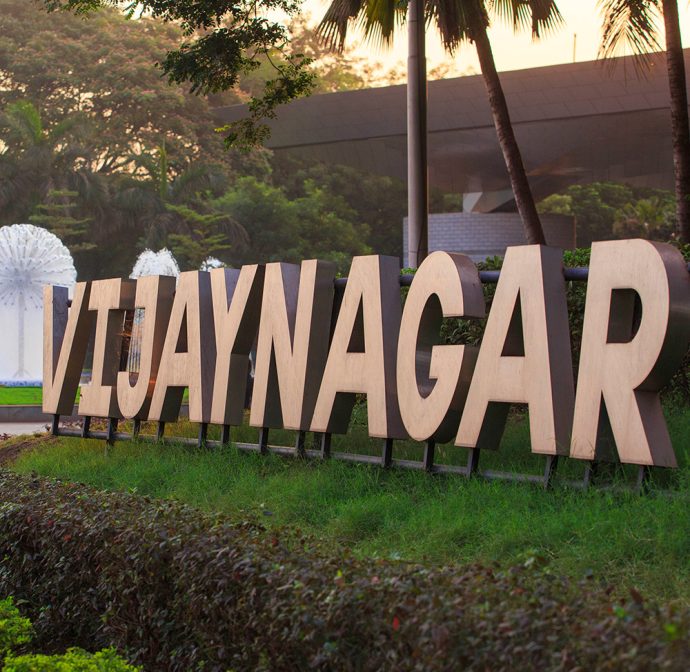
JSW Steel Limited
A renewable green hydrogen and oxygen ecosystem for clean steel production
JSW Steel’s initiative integrates renewable green hydrogen (GH₂) and green oxygen (O₂) at its Vijayanagar Works in India. One of the world’s largest steel-dedicated green hydrogen facilities, it demonstrates reliable commercial-scale deployment.
Phase 1, commissioned in late 2025, installed a 25 MW renewable-powered electrolyser producing about 5,000 Nm³/hour of hydrogen and 28,500 tonnes of oxygen annually. Hydrogen is injected into a gas-based Direct Reduced Iron (DRI) plant, while oxygen supports downstream steelmaking, maximising renewable electricity’s value.
Replacing part of the carbon-based reducing gas with hydrogen produces water vapour rather than CO₂. Over 3,000 hours of stable operation, the project maintained quality and reliability, reduced emissions by about 30 kg CO₂ per tonne of DRI—21,255 tonnes avoided overall—improved productivity by 3.9% and reduced reliance on externally supplied oxygen.
The scale-up roadmap adds a 75 MW electrolyser in Phase 2, raising hydrogen injection to 20,000 Nm³/hour and targeting reductions of about 120 kg CO₂ per tonne of DRI. Phase 3 envisages more than 500 MW and injection up to 125,000 Nm³/hour, potentially reducing emissions by about 750 kg CO₂ per tonne.
The initiative supports JSW Steel’s goals to reduce CO₂ intensity by 42% by 2030 and achieve net zero by 2050. It integrates renewable energy, hydrogen production and steelmaking through partnerships with JSW Energy, the India H₂ Alliance and India’s National Green Hydrogen Mission.
Using commercially available technology and existing DRI infrastructure makes the approach highly replicable. By proving reliable green hydrogen-assisted ironmaking at commercial scale, JSW Steel provides a practical blueprint for near-zero-carbon steel production.
Importantly, the initiative relies on commercially available technologies and existing DRI infrastructure, making it highly replicable across the global steel industry. By proving that green hydrogen-assisted ironmaking can operate reliably at commercial scale, JSW Steel has established a practical blueprint for the transition toward near-zero-carbon steel production.
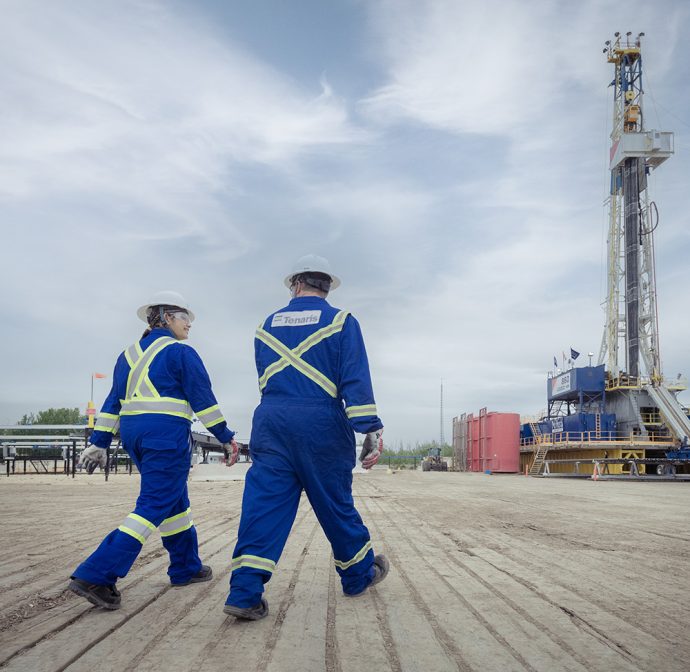
Tenaris
Tenaris decarbonisation strategy on renewable electricity
Tenaris’s global strategy uses renewable electricity to decarbonise steel production across operations in Argentina, Romania, Italy, China and elsewhere. It supports the company’s target to reduce CO₂-equivalent emissions intensity by 30% by 2030 from a 2018 baseline, covering Scopes 1, 2 and selected Scope 3 emissions.
Tenaris has about 4 million tonnes of annual electric arc furnace steelmaking capacity, making electricity a significant emissions source. Renewable electricity therefore became central to its decarbonisation strategy. From effectively zero renewable electricity by choice in 2021, the share reached 25% of consumption by the end of 2025: 16% selfgenerated and 9% purchased through power purchase agreements, certificates and other arrangements.
Between 2021 and 2025, Tenaris invested approximately USD 427 million in renewable projects, generating 630 GWh of zero-emission electricity in 2025. Assets include two Argentine wind farms, a 30 MW solar park at its Romanian steelworks, rooftop solar in Qingdao and two Italian photovoltaic projects commissioned in 2026. An internal carbon price of at least USD 80 per tonne guides investment decisions.
The environmental impact is substantial. Between 2018 and 2025, renewable deployment contributed to a 23% reduction in Scope 2 emissions intensity and a 19% decline in overall emissions intensity. Despite higher production and electricity use, absolute market-based Scope 2 emissions fell from about 1.1 million tonnes CO₂e in 2022 to 0.8 million tonnes in 2025.
The programme shows how renewable electricity can strengthen the competitiveness of electric steelmaking while supporting long-term clean steel goals. Deployment must be tailored to local infrastructure, grids, regulation and energy conditions. Tenaris expects renewables to supply 40% of its electricity by 2030, further advancing its decarbonisation pathway
Ternium
From dust to trust: Autonomous emission reduction and intelligent suppression
Ternium developed AERIS over roughly three years to address diffuse dust emissions from stockyards, a significant environmental challenge. Replacing visual inspections and manual water spraying, which often produced delayed and inconsistent responses, the integrated platform combines environmental monitoring, emissions modelling, industrial automation and intelligent control to deliver faster, more targeted mitigation.
A network of RAMP monitoring stations continuously measures particulate concentrations, wind speed and direction, temperature and humidity. Using a three-dimensional emissions model based on the US EPA Exposure Profiling Method, AERIS calculates emission rates in real time, identifies likely emission sources and automatically activates targeted water sprinklers. The system operates entirely with 100% reused water, linking emissions control with water stewardship and circular resource management.
Commissioned in June 2025, the first deployment covered a 5.2-hectare blending yard handling around 360,000 tonnes of co-products annually, with seven monitoring stations and 17 automated sprinklers. Following successful implementation, expansion to three additional yards will increase coverage to almost 38 hectares, using 28 stations and 84 sprinklers. Total project investment is approximately USD 12.7 million.
Results are significant. Instances exceeding Ternium’s internal emissions threshold fell by approximately 70%, while automated intervention reduced modelled emissions by up to 100% during some high-criticality events. AERIS processes around 80,000 environmental measurements annually, enabling rapid responses to changing meteorological conditions. Compared with manual spraying, it also saves approximately 5,800 m³ of water each month, while all suppression activities use recycled water.
Aligned with Ternium’s Environmental and Energy Policy and its 2020–2030 Environmental Investment Plan, AERIS is highly scalable and transferable. It uses commercially available monitoring equipment, automation systems and adaptable control logic. Ternium is already extending the technology internally, while interest from other steel producers demonstrates its potential as an industry benchmark for intelligent diffuse-emissions management.
Excellence in process and product innovation
Ansteel Group Corporation Limited
Intensified blast furnace smelting technology for high-TiO2-bearing vanadium titanomagnetite
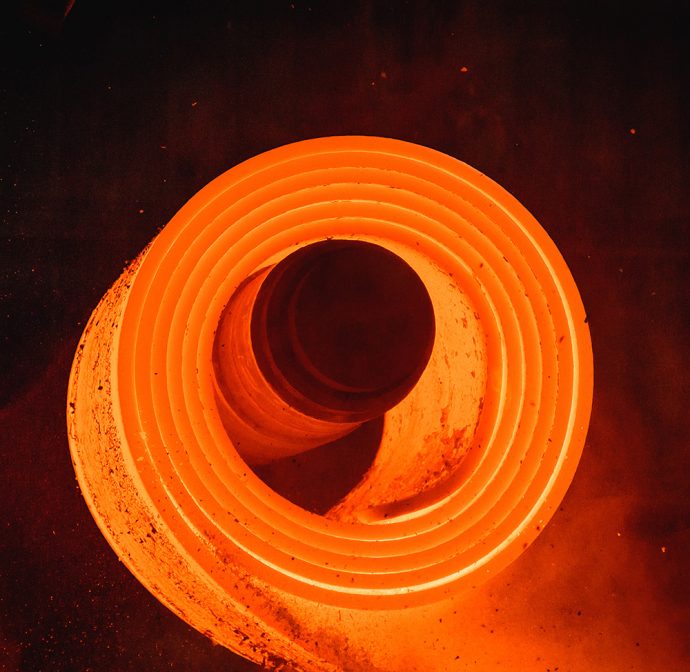
Ansteel Group Corporation Limited developed a blast furnace technology to improve the efficiency and sustainability of iron production from high-TiO₂-bearing vanadium titanomagnetite (VTM), a challenging but strategically important Chinese ore resource. The project was implemented in January 2025.
The initiative addressed low burden quality, highly viscous slag, unstable furnace operation, weak productivity and high carbon emissions. Ansteel conducted extensive metallurgical research and developed an integrated package of intensified smelting technologies spanning sintering, pellet production and blast furnace operation.
A low-carbon process combining optimised raw materials with thick-bed sintering raised the sinter tumbler index from 72.42% to 79.70% and reduced energy use by 11.68 kg of coal equivalent per tonne. A new consolidation strategy for 100% VTM pellet belt roasting also improved pellet strength and roaster productivity.
A gas-flow simulation model enabled significantly higher pellet ratios. Pellet use increased from 32.61% to 55.85%, while blast furnace productivity rose from 2.491 to 2.712 tonnes per cubic metre per day. Coke consumption fell from 437.98 kg to 417.03 kg per tonne of hot metal, lowering costs and carbon intensity.
Ansteel also applied high-oxygen-enrichment smelting based on a titanium carbonitride suppression mechanism. This increased oxygen enrichment from 2.5% to more than 5.0%, while processing slag containing approximately 23% TiO₂ and reducing iron losses to 1.6%.
Overall, the integrated package delivered a more stable, efficient and lower-carbon blast furnace process. Ansteel reports annual economic benefits of approximately 245.9 million yuan alongside gains in productivity, energy efficiency and resource utilisation. The project demonstrates how advanced process engineering can unlock complex ore resources while improving operational performance and reducing emissions.
EMSTEEL
From metallurgical challenge to industrial breakthrough: hightoughness Si-killed jumbo sections without vacuum degassing
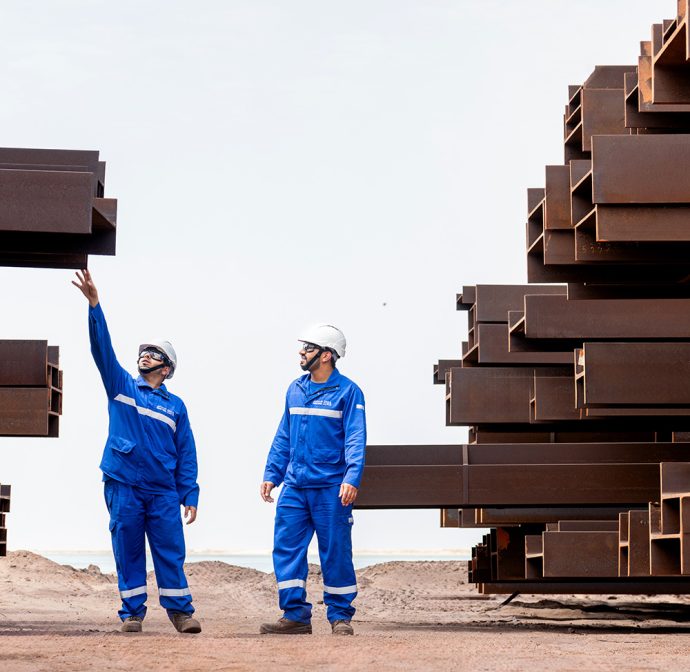
“From Metallurgical Challenge to Industrial Breakthrough” describes EMSTEEL’s industrialisation of a new route for producing high-toughness jumbo structural sections without vacuum degassing (VD), traditionally considered necessary for demanding toughness requirements.
The innovation targets S355 J2 jumbo sections with flange thicknesses of 30 mm or more. Their large cross-sections cool slowly, increasing the risk of coarse grains, non-metallic inclusions and inconsistent properties that can weaken low-temperature impact toughness.
EMSTEEL developed an integrated operating window spanning the Electric Arc Furnace, Ladle Furnace, beam-blank continuous casting, reheating and thermomechanical rolling. It combines strict oxygen and slag control, deep desulphurisation, calcium treatment, balanced titanium, nitrogen and vanadium precipitation, disciplined reheating, final rolling below 840°C and cumulative reductions above 20%. The result is cleaner steel with a refined, uniform microstructure.
Baseline campaigns in 2022 achieved the required J2 Charpy impact toughness in only 20–40% of products. Validated industrial campaigns in 2024 achieved 100% pass rates while maintaining strength, uniform mechanical properties, surface quality and internal integrity. Impact-related regrading and recasting were eliminated.
Avoiding vacuum degassing reduces capital needs, processing time and operational complexity. EMSTEEL estimates additional grade value of USD 40–60 per tonne and annual benefits of about USD 480,000. The innovation moved from research concept to full commercial implementation in 52 weeks, advancing from Technology Readiness Level 1 to 9.
Implemented in September 2024 and now covering about 10% of EMSTEEL’s portfolio, the methodology has established a repeatable manufacturing standard and a platform for developing thicker jumbo sections and other demanding high-toughness products.
HBIS Group Co. Ltd.
Key technological innovation and application of 2400 MPa grade ultra-high strength and toughness hot stamping steel
The nominated project is titled “Key technological innovation and application of 2400 MPa grade ultrahigh strength and toughness hot stamping steel.”
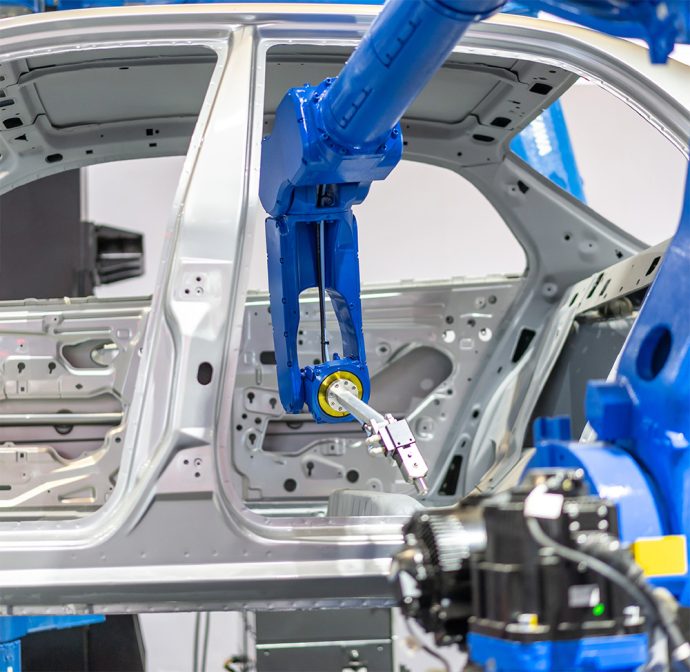
HBIS has achieved the industry’s first launch and mass production of a 2400 MPa hot-stamping steel combining ultrahigh strength with high toughness. The material is used in four safety-critical passenger-car components: A-pillar reinforcements, B-pillar reinforcements, door impact beams and lower side-member reinforcements. Its combination of strength and reduced weight is intended particularly for premium automotive applications.
The steel was developed using chromium, niobium and vanadium microalloying, together with an optimised silicon-aluminium ratio. According to the nomination, this composition provides the required mechanical strength while maintaining good welding performance. After hot stamping, the material’s properties also reduce the risk of hydrogen embrittlement. Component testing recorded yield strengths of 1,450–1,550 MPa, tensile strengths of 2,311–2,410 MPa and elongation after fracture of 5.0–5.7%. Testing also demonstrated resistance to delayed fracture and good post-baking bending performance.
The innovation has also delivered manufacturing improvements. The production process uses more than 25% scrap and has increased process yield by 1.2%. Energy consumption per tonne of steel has fallen by 5.7%, while more than 90% of solid waste, including steel slag and dedusting ash, is reused as a resource. Production-line availability has risen by 8.8%, and order lead times have been reduced to within 30 days.
HBIS states that the steel can reduce the weight of key vehicle-body components by 10– 15%. The project was implemented in July 2025, with improvements sustained consistently within 24 weeks. It currently operates at one of HBIS’s two plants producing ultra-high-strength automotive sheet, representing 50% of the company’s capacity in this area. The reported financial benefit is €256 per tonne.
Overall, the project is an important product and process innovation combining advanced automotive performance, lightweighting, higher production efficiency, reduced energy use and greater resource circularity.
JFE Steel Corporation
MD finish: A novel rolling-based surface engineering technology enabling whiteness and image clarity
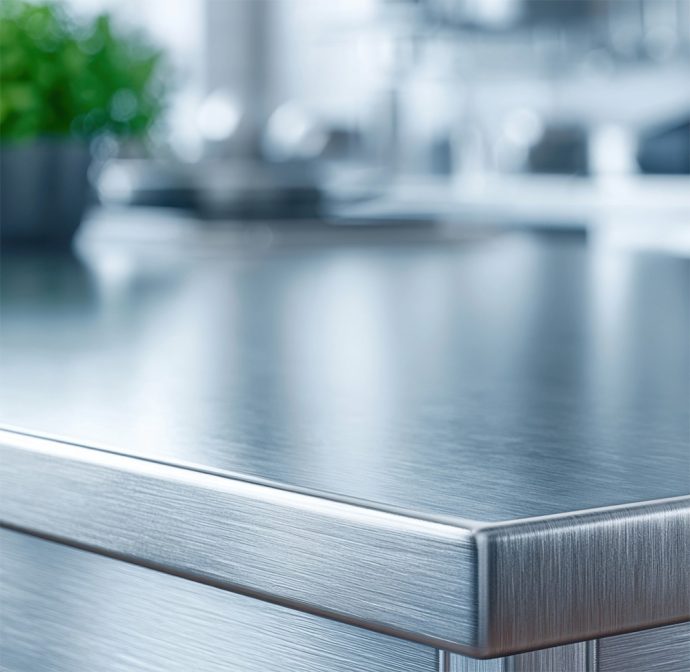
“MD Finish” is a rolling-based surface-engineering technology for ferritic stainless steel. The innovation addresses a longstanding challenge in decorative stainless steel: combining high whiteness with clear, soft image reflection. Conventional finishes generally involve a trade-off between these qualities and may require polishing, coating or shot blasting.
Using proprietary multi-stage rolling and precise micro-topography control, MD Finish creates two micrometre-scale surface regions. Diffuse-reflection regions generate whiteness, while specular-reflection regions provide image clarity. Their controlled coexistence delivers both qualities without multiple downstream processes, while retaining stainless steel’s corrosion resistance and manufacturability.
The product is commercialised for consumer appliances and kitchen equipment, with potential architectural, industrial and other consumer applications. It expands design options, simplifies manufacturing and provides a scalable platform for future decorative metal products.
Reported benefits include approximately 10% higher yield, 40% shorter lead time and productivity gains above 300% compared with conventional decorative-finishing routes. Fewer process stages also reduce energy use and increase production uptime.
Implemented in December 2024 after 88 weeks from initial trial to commercial production, MD Finish covers approximately 50% of JFE Steel’s applicable stainless-steel products. The nomination reports an annual organisational benefit of US$3 million in 2025.
Overall, MD Finish combines product and process innovation to improve decorative performance, eliminate processing stages, raise productivity and broaden design possibilities for stainless steel.
Nippon Steel Corporation
SuperDyma GB: A Zn-Al-Mg-Si alloy-plated steel sheet with pigmented post-treatment, enabling production without post-painting
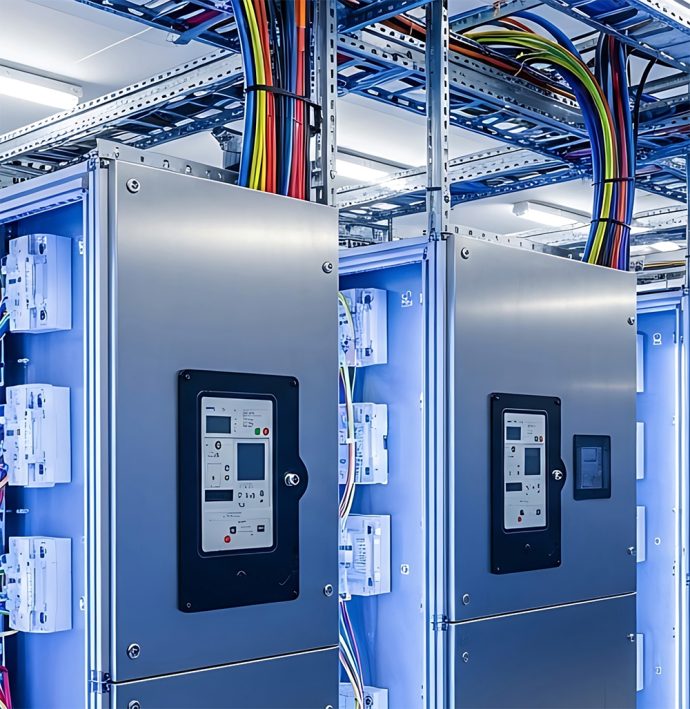
SuperDyma GB is a corrosion-resistant, coloured steel sheet designed for indoor electrical equipment such as switchboards, control panels, cable racks and bus ducts.
SuperDyma GB has a grey-beige appearance close to Munsell 5Y 7/1, a standard colour used for electrical equipment. It combines this appearance with the high corrosion resistance of SuperDyma and good resistance to fingerprints. Unlike conventional pre-painted or organic-coated steel, pigments are added during an in-line post-treatment following metallic plating. This produces the required colour without conventional pre-painting and allows customers to manufacture components without painting them afterwards.
Removing post-painting creates a particular technical challenge because cut edges and other areas exposed during fabrication still need adequate corrosion protection. The product addresses this through a SuperDyma substrate coated with a zinc alloy containing 11% aluminium, 3% magnesium and 0.2% silicon. This provides high corrosion resistance on both flat surfaces and cut edges.
The innovation also expands the available thickness range. Organic-coated steel sheets are generally limited to panels of approximately 1.6 mm or less, while thicker electrical-enclosure components usually require post-painting. SuperDyma GB is available in thicknesses from 0.4 mm to 3.2 mm, covering the typical 1.6–3.2 mm range used for electrical enclosures, including the commonly used thickness of around 2.3 mm.
For customers, eliminating post-painting can lower costs, shorten lead times and simplify inspection and process management. Where painting is outsourced, removing painting, transportation and associated waiting periods can reduce production lead times by approximately two weeks to one month. An illustrative calculation for a representative manufacturing case also indicates a potential reduction of about 27% in product-related CO2 emissions.
Commercial orders began in April 2024, and adoption continues to expand across switchboards, control panels and related electrical-equipment applications. Overall, SuperDyma GB combines product development with customer-process improvement, offering a coloured, corrosion-resistant solution for thick-gauge electrical components while eliminating a significant downstream manufacturing step.
Excellence in sustainability
China Baowu
Hydrogen reduction & electric smelting process: A solution for near-zero carbon sustainable development
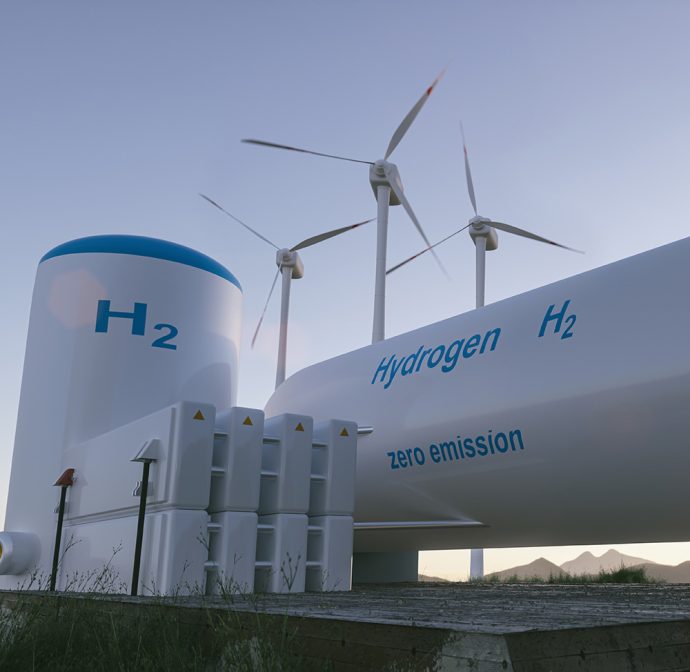
Baosteel Zhanjiang Iron & Steel Co., Ltd., a subsidiary of China Baowu, has developed the Hydrogen Reduction & Electric Smelting Process (HyRESP®), which it describes as the world’s first integrated hydrogen-reduction and electric-smelting route for near-zero-carbon steel production.
The HyRESP® production line combines two core technologies: a hydrogen-based shaft furnace and an electric arc furnace (EAF) powered by green electricity. The facility has an annual design capacity of 1.8 million tonnes of high-quality steel and is designed to produce premium products, including silicon steel. Compared with a conventional blast furnace-basic oxygen furnace (BF-BOF) route of the same capacity, the process is reported to achieve a 77% reduction in carbon emissions, while creating a platform for future zero-carbon steel production.
The project has progressed through several important milestones. Construction of the hydrogen-based shaft furnace began in February 2022 and it was commissioned in December 2023. Multiple rounds of industrial-scale verification have since been completed. By December 2025, hydrogen content in the reducing gas reached 80%, while technologies were developed to utilise a broader range of raw materials, including pellets containing increasing proportions of Pilbara iron ore fines. The electric arc furnace entered operation in December 2025 and produced its first low-carbon steel, followed by the production of the first low-carbon silicon steel in February 2026.
The environmental benefits are substantial. The project is expected to reduce carbon emissions by approximately 3.14 million tonnes annually, while relying on scrap, hydrogen-rich reducing gas, pure hydrogen and renewable electricity. Economically, it has accelerated the development of hydrogen metallurgy equipment, created a complete production solution for low-carbon steelmaking, and supported growth in related sectors such as hydrogen energy and renewable power. Socially, it has promoted technological innovation, created skilled employment opportunities and established a replicable pathway for industrial transformation.
China Steel Corporation
From industrial by-product to green infrastructure: Quantified carbon reduction and sustainable application of BOF slag asphalt pavements
“From Industrial By-Product to Green Infrastructure” shows how Basic Oxygen Furnace (BOF) slag can become a low-carbon asphalt material through long-term collaboration between industry, government and academia.
The initiative addresses BOF slag management. CSC produces about one million tonnes annually; after Taiwan ended ocean dumping, storage costs and public concern increased. Starting in 2006, CSC progressed from pilot and demonstration roads to research, standards and management systems that enabled widespread adoption. More than 500 BOF slag asphalt projects have been completed since 2017.
An ISO 14040- and ISO 14044-compliant Life Cycle Assessment quantified the environmental benefits. Compared with conventional asphalt using natural aggregates, BOF slag pavement reduces life-cycle carbon emissions by 66.47%. Each cubic metre cuts emissions by about 4.19 tonnes of CO₂ equivalent, with cumulative programme savings of approximately 58,500 tCO₂e.
Durability also improved: service life increased from 2.45 to seven years, nearly tripling pavement longevity and reducing maintenance and reconstruction. BOF slag can replace up to 83% of natural coarse aggregate, conserving resources and reducing quarrying impacts. CSC also reports lower asphalt-binder use and verified environmental safety through testing, third-party audits and long-term monitoring.
The programme has diverted about one million tonnes of slag into productive use, saving an estimated NT$110 million in stockpiling costs. Kaohsiung City Government estimates lifecycle savings of approximately NT$167 million from lower road-maintenance expenses. Better road quality has also improved safety, reduced complaints and increased traffic efficiency.
A major strength is the replicable governance model. CSC established self-management and traceability systems, secured third-party verification, incorporated BOF slag into national construction standards and built durable industry-government-academia partnerships. The result is a scalable circular-economy solution that converts a steelmaking by-product into a high-value, low-carbon construction material while advancing infrastructure decarbonisation and resource efficiency.
JFE Steel Corporation
JFE Blue Infrastructure Platform: Delivering circular economy, biodiversity recovery and blue carbon through steelmaking by-products
The JFE Blue Infrastructure Platform transforms steelmaking slag into a resource for coastal restoration, biodiversity recovery, circular economy implementation and blue carbon generation. It combines three proprietary technologies—Calcia Modified Soil, Marine Stone™ and Frontier Rock™—to address interconnected coastal challenges.
The platform responds to seabed degradation, declining water and sediment quality, loss of seaweed beds and tidal flats, biodiversity decline, climate impacts and growing volumes of dredged soil from ports and navigation channels. Rather than treating these problems separately, JFE restores marine ecosystems while beneficially reusing steelmaking slag and dredged materials.
Since 2010, the technologies have been deployed across Japan. Calcia Modified Soil reuses dredged sediment to restore pits and create stable habitats. Marine Stone™ suppresses hydrogen sulphide and improves sediment and water quality, while Marine Stone™ and Frontier Rock™ provide structures that encourage marine life and seaweed growth. Third-party validation through Japan’s Environmental Technology Verification programme and inclusion in national technical guidelines support wider adoption.
Results are measurable. In Fukuyama Port, about 38,000 tonnes of Marine Stone™ improved sediment quality and generated 17.6 tonnes of certified blue carbon. In Iwakuni City, a 3.4-hectare seaweed bed generated 81.4 tonnes, increased seaweed diversity and tripled observed fish abundance. At Yokohama’s Yamashita Park waterfront, species richness rose from 4 to 38, and established organisms now provide an estimated 8,400 kL of seawater purification daily.
The platform also reduces disposal costs, supports fisheries and creates educational and research opportunities, demonstrating higher-value use of steel-industry by-products. JFE sees potential for wider deployment to lower dredged-soil disposal costs and develop a blue-infrastructure market. Industry-government-academia partnerships, technical standardisation and awards reinforce its position as a scalable, internationally transferable model for coastal restoration and circular innovation.
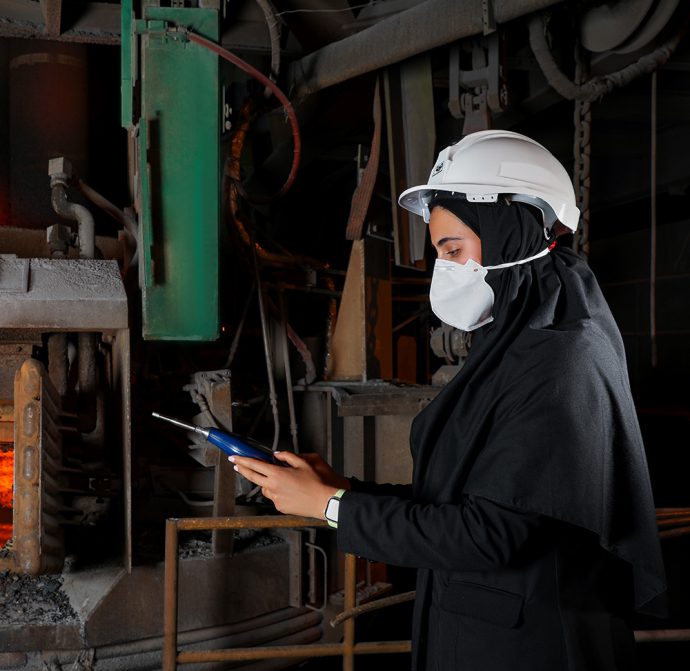
Mobarakeh Steel Company
People first, planet better, industry stronger
Mobarakeh Steel’s nomination describes how the company responded to severe missile attacks on its facilities in March 2026 by placing sustainability at the centre of crisis management and reconstruction. Rather than simply restoring production, it sought to protect people, maintain business continuity, improve environmental performance and strengthen long-term resilience.
The Sustainability-led Steel Resilience Framework (SSRF) is built around four principles: People First, Responsible Business Continuity, Rebuilding for a Better Future and Governance for Resilience. It integrates environmental, social and governance considerations into crisis-related decisions.
People protection came first. Despite a 29-day shutdown, Mobarakeh Steel retained its entire workforce, safeguarding 24,611 employees and contractors. It maintained salaries, redeployed personnel, provided psychosocial and family support, operated a 24-hour hotline and delivered 165,000 person-hours of resilience and stress-management training.
To protect the steel value chain, the company maintained supplier contracts, prioritised domestic sourcing, engaged customers and sustained market supply where possible. Reconstruction involved 228 domestic manufacturers, achieved 92% local content and generated supply-chain efficiencies and cost savings.
Environmental upgrades were embedded in recovery. Damaged assets were rebuilt to improved standards, including a major dust-collection project to eliminate fugitive steelmaking emissions. The company expanded scrap recycling, recovered about 8,500 tonnes of reconstruction waste and commissioned 120 MW of a planned 600 MW solar facility.
Structured knowledge management captured 463 lessons, informed revised continuity plans and safety procedures, and supported the use of digital technologies, artificial intelligence and data analytics in reconstruction. Mobarakeh Steel presents SSRF as a transferable model for resilience against conflict, natural disasters, cyberattacks and supply-chain disruption.
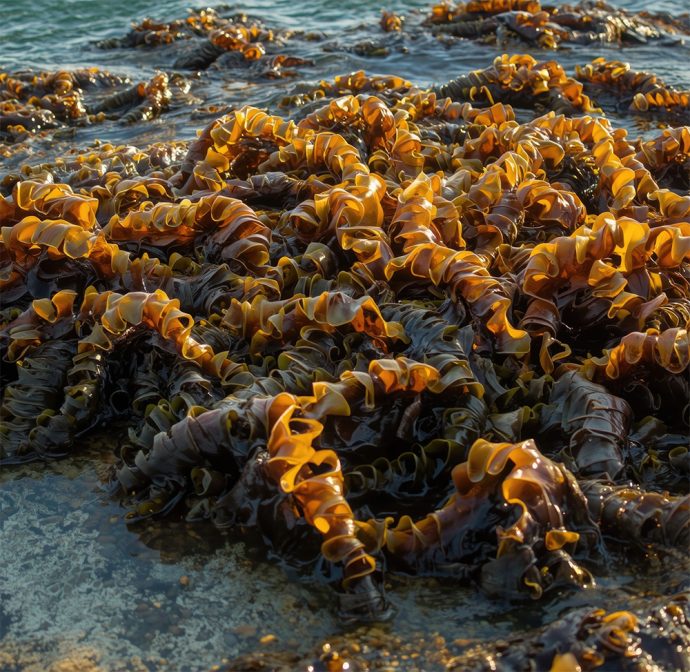
Nippon Steel Corporation
Marine forest development initiative
The project transforms steelmaking by-products into a scientifically validated nature-restoration solution supporting resource circularity, biodiversity, blue carbon and local revitalisation.
Launched in 2004 to address sea desertification and disappearing seaweed beds linked to coastal iron deficiencies, the initiative was developed with the University of Tokyo. Nippon Steel’s patented Vivary™ Unit combines steel slag with humic substances from waste wood to create humic acid iron, a nutrient for marine vegetation. The product is safety-certified by Japan’s National Federation of Fisheries Cooperative Associations and deployed at 87 locations nationwide.
At Mashike Town, Hokkaido, a small experiment grew into a large coastal-restoration programme. Expanded seaweed beds supported commercially valuable sea urchins, restored degraded seabed ecosystems and increased biodiversity. Field observations, laboratory research and marine-environment simulation continue to clarify the ecological mechanisms.
The project also delivers measurable climate benefits. In 2022, Nippon Steel and local partners secured J-Blue Credit™ certification for 49.5 tonnes of CO₂ absorbed and stored by restored seaweed beds from 2018–2022. Further certifications in 2023 recognised another 33.3 tonnes of CO₂ sequestration. The programme also creates social and economic value through partnerships with fisheries, municipalities and coastal communities. It improves marine habitats and fishery resources, supports local economies and uses educational outreach, including blue-carbon classes, to raise awareness of biodiversity and climate change.
The model combines scientific verification, certified slag products, local collaboration and continuous monitoring. Because steel slag and woody biomass are widely available in steelmaking regions, it could be adopted by other producers and coastal communities worldwide.
Presented at the Japan Pavilion during COP28, the project shows how innovative use of steelmaking by-products can advance climate mitigation, resource efficiency and broader nature-positive outcomes.
Excellence in Life Cycle Assessment
ArcelorMittal
Scaling digital LCA governance across the ArcelorMittal Group
The programme turns life cycle assessment (LCA) from a specialised technical exercise into a scalable company-wide capability supporting product development, customer engagement, regulatory compliance and low-carbon steel innovation across ArcelorMittal’s global operations.
It addresses the challenge of delivering consistent, reliable LCAs across a complex global producer with multiple production routes, thousands of products and evolving regulations. ArcelorMittal combines digital tools, harmonised methods, robust data governance, quality controls, expert oversight and trained local practitioners. Local teams can therefore conduct high-quality assessments while applying consistent Group standards.
Since 2015, the company has industrialised LCA through a central-and-local model. A central team defines methodologies, governance and regulatory alignment, while local communities of practice collect, validate and enrich industrial data using supplier information and recognised databases. This enables efficient management of large datasets while preserving traceability and methodological rigour.
Annual autonomous LCA studies and Environmental Product Declarations (EPDs) increased from 16 in 2015 to more than 200 in 2025, while execution time fell tenfold. The programme strengthened consistency between sites, reduced duplication, accelerated Product Carbon Footprints and EPDs, and improved the credibility of information supplied to customers and regulators.
Beyond efficiency gains, the system embeds life cycle thinking in commercial and product-development decisions. It supports the assessment and deployment of low-CO₂ products such as XCarb® recycled and renewably produced steel (RRP), while strengthening customer dialogue, carbon transparency and regulatory engagement.
Overall, the nomination presents a mature, scalable governance model for embedding LCA across a global steel company and making environmental analysis accessible beyond specialist teams. Its central lesson is that large-scale LCA requires an integrated ecosystem of digital tools, governed data, clear methodologies, training and empowered local expertise operating within a common framework.
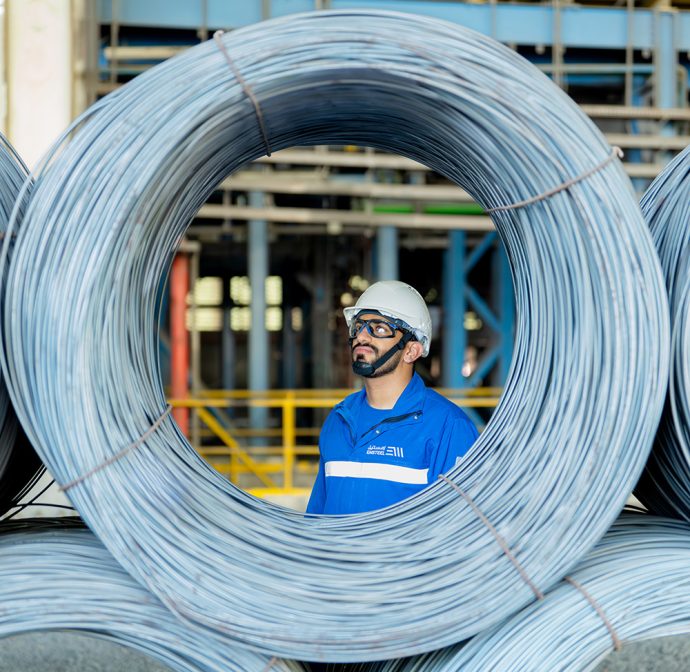
EMSTEEL
From plant data to customer carbon decisions: EMSTEEL’s LCA-powered TrueGreen
EMSTEEL’s TrueGreen™ Product-Decarbonisation System integrates life cycle assessment (LCA) into product development, decarbonisation planning, marketing and customer decision-making.
Moving beyond conventional reporting, the internally managed system uses primary operational data, SimaPro software and Ecoinvent databases to model EMSTEEL’s gas-based DRI-EAF value chain. It covers direct reduced iron, billets, reinforcement steel, wire rod, heavy sections and sheet piles. The models compare production routes and test decarbonisation options before implementation, including more scrap, renewable electricity, carbon capture, energy efficiency, hydrogen-based DRI and electrification.
The programme produced seven independently verified Environmental Product Declarations (EPDs) for EMSTEEL’s principal products. Instead of one company-wide average, it distinguishes specific routes, including the higher-scrap SMP3 route, providing more accurate product-level data. Benchmarking against comparable public, third-party-verified EPDs found that EMSTEEL reported the lowest published cradle-to-gate global warming potential (A1–A3) across all seven assessed categories.
Implemented during 2025, the initiative involved operations, procurement, logistics, sustainability, quality, and health and safety teams. Nine employees received specialised ISO 14040 and ISO 14044 training, building internal expertise and embedding lifecycle thinking in business processes.
The system delivers environmental and commercial value. EMSTEEL reports emissions intensity of 0.637 tCO₂e per tonne, 88.7% clean electricity use and capture of more than 500,000 tonnes of CO₂. The EPDs support qualification, tenders, embodied-carbon assessments and green-building certifications including LEED, Estidama and Al Sa’fat. They have already supported business opportunities worth approximately AED 2.47 billion.
Overall, TrueGreen™ shows how LCA can evolve from compliance reporting into a strategic tool linking operational decarbonisation, product development, customer engagement and credible low-carbon steel marketing.
Hyundai Steel Company
Standardisation of LCA methodologies to improve comparability across steel products
The project improves product carbon-footprint comparability by standardising Life Cycle Assessment (LCA) methods for steel products, particularly the treatment of by-product gases from integrated steelmaking.
The initiative responds to growing demand for credible low-carbon steel assessments driven by regulations and market mechanisms such as CBAM, certification schemes and customer procurement requirements. Conventional LCAs often assign impacts from by-product gases solely to the facilities consuming them, creating inconsistencies and making product comparisons difficult. Hyundai Steel therefore developed a simulation-based method that more accurately reflects how these gases are generated, transferred and used throughout integrated steelmaking.
The three-year project with Inha University began under a 2022 memorandum of understanding. Researchers analysed more than 24 scenarios covering production routes, by-product gas sales and environmental-impact allocation methods, calculating carbon footprints to identify the most objective and comparable approach.
Results for identical products varied by more than 30% depending on the allocation method. System expansion produced the smallest variation and proved the most robust for comparison. Rather than assigning all impacts to the end-use facility, it distributes them between the processes generating and consuming the gases.
The methodology was incorporated into Korea’s official K-EPD Product Category Rules, creating a more standardised national framework for Environmental Product Declarations. International EPD certification further validated its application to BF-BOF products, including hot-rolled steel, plate, cold-rolled steel and galvanised steel.
Beyond its regulatory impact, the approach supports investment decisions, strengthens the credibility of low-carbon product claims, reduces greenwashing risks and provides a more objective basis for assessing hybrid BF-EAF production routes. The research has also influenced methodology development across Korea’s wider steel sector and received a Best Presentation Award from the Korean Society for Life Cycle Assessment.

Jingye Group
Practice of digitalising the full-process carbon footprint of steel products to empower high-quality trade development
The project aims to address the steel industry’s growing need for robust carbon accounting, green certification, and compliance with international sustainability requirements. Built around life cycle assessment (LCA) principles and international standards including ISO 14067, ISO 14025 and EN 15804, Jingye developed a comprehensive digital carbon footprint management system covering the entire steel production process.
A central innovation is the creation of a digital platform that automatically links production data with LCA processes, enabling more than 500 data points to be classified and analysed automatically. The platform replaces traditional manual carbon accounting and supports functions such as LCA reporting, Carbon Border Adjustment Mechanism (CBAM) reporting, carbon emissions analysis, compliance management and green supply chain management. It is supported by a proprietary carbon footprint factor database containing over 21,800 general factors and 122 measured factors adapted to Chinese steelmaking conditions.
The project has produced significant results. Jingye has published Environmental Product Declaration (EPD) reports for eight core products and obtained recognised green product certifications. The initiative reportedly achieved annual reductions of 1.08 million tonnes of CO₂ emissions, saved 440,000 tonnes of standard coal, and reduced reporting time by more than 80%, while creating additional commercial value through enhanced market access and green product sales.
Implementation involved a phased approach including standards alignment, green certification, management system redesign, production process upgrades, platform development, database creation, integration with nine enterprise systems, and staff training. The platform was built in partnership with organisations including HBIS Digital, Ecoinvent and China Classification Society Certification.
Beyond internal benefits, Jingye positions the project as a replicable model for the wider steel industry. By combining carbon accounting, certification, digitalisation and governance into a single framework, the programme supports regulatory compliance, supply-chain transparency, green trade and low-carbon transformation across the manufacturing sector. Supporting evidence includes published EPD documentation and an Ecoinvent database agreement.
JSW Steel Limited
LCA in a project application
The submission demonstrates how Life Cycle Assessment (LCA) was used as a strategic decision-support tool to evaluate a large-scale blast furnace carbon capture and utilization (CCU) project at the company’s Vijayanagar steelworks in India.
The project is a collaboration between JSW Steel, BHP and Carbon Clean, exploring the deployment of Carbon Clean’s CycloneCC technology to capture up to 100,000 tonnes of CO₂ annually from blast furnace operations. The first phase is designed to capture 280 tonnes of CO₂ per day, with a second phase potentially doubling capacity to 560 tonnes per day. Captured CO₂ is purified, liquefied and transported for further utilization, while the enriched blast furnace gas is recirculated back into the steelmaking process.
A key innovation of the project is the use of LCA not merely to measure CO₂ capture efficiency, but to assess the overall environmental performance of the CCU system across the entire value chain. The study established cradle-to-gate system boundaries covering mining, beneficiation, raw material preparation, blast furnace operations, steelmaking, carbon capture, purification and liquefaction. Multiple scenarios were modelled to evaluate different energy sources and methodological approaches for assessing environmental impacts.
The assessment found that integrating carbon capture can reduce the global warming potential of steel slab production, with the extent of reduction depending on system boundaries and energy sources. Under the cut-off approach, greenhouse gas emissions fell by approximately 1.5% in Phase 1 and 3.1% in the future Phase 2 configuration. Using a system-expansion approach, reductions ranged from 0.7% to 1.7% in Phase 1 and up to 3.3% in Phase 2, with the greatest improvements achieved when low-carbon energy sources powered the capture process.
The study also evaluated the environmental and economic trade-offs of different energy supply options for the carbon capture system. These insights provide an evidence-based framework for investment decisions, technology selection and future scale-up. The project is currently in the feasibility stage and is expected to be commissioned in 2028, subject to final investment approval.
The project demonstrates how LCA can support steel decarbonisation by providing a holistic lifecycle perspective, helping avoid burden shifting and ensuring that climate investments deliver genuine environmental benefits.
Excellence in people
China Baowu
Digital intelligence engineer talent development system initiative
The Baowu Digital Intelligence Transformation Talent Development Program addresses a major steel-industry workforce challenge: the shortage of professionals combining steelmaking expertise with digital, data and artificial intelligence capabilities. It supports China Baowu’s long-term transformation strategy by creating a sustainable pipeline of interdisciplinary talent.
Piloted at Baosteel from 2021 to 2025 and expanded Group-wide in 2026, the initiative uses a dual-track pathway: training Digital Intelligence Engineers while developing AI and Data Application Trainers. This creates a self-sustaining learning cycle of employee participation, trainer empowerment and organisation-wide capability enhancement.
By July 2026, more than 700 Digital Intelligence Engineers had received differentiated training. At Baosteel, ten programmes reached 5,585 participants and delivered over 614,000 training hours. China Baowu also certified 33 professional trainers, deployed across subsidiaries to provide coaching, knowledge transfer and continuing capability development.
Training combines online and classroom learning, workshops, regional communities and practical use of Baowu’s AI Agent Platform and Enterprise Unified Data Foundation Platform. Employees build production-relevant skills in equipment maintenance, quality management, energy optimisation, scheduling and data governance.
The programme emphasises measurable outcomes: certification requires practical projects and AI applications. By mid-2026, trainees had developed 210 scenarios and cases supporting production optimisation, quality improvement, predictive maintenance, energy management and operational efficiency, directly contributing to Baowu’s wider digital transformation and data-governance priorities.
With investment of approximately RMB 2.4 million, an average training cost of RMB 1,500 per participant and estimated return on investment above 10:1, the initiative is economically effective and strategically valuable. It indirectly reaches more than 15,000 technical and business employees and offers a replicable model for steel and other process industries.
InfraBuild
Building the future steel workforce: InfraBuild’s workforce renewal system
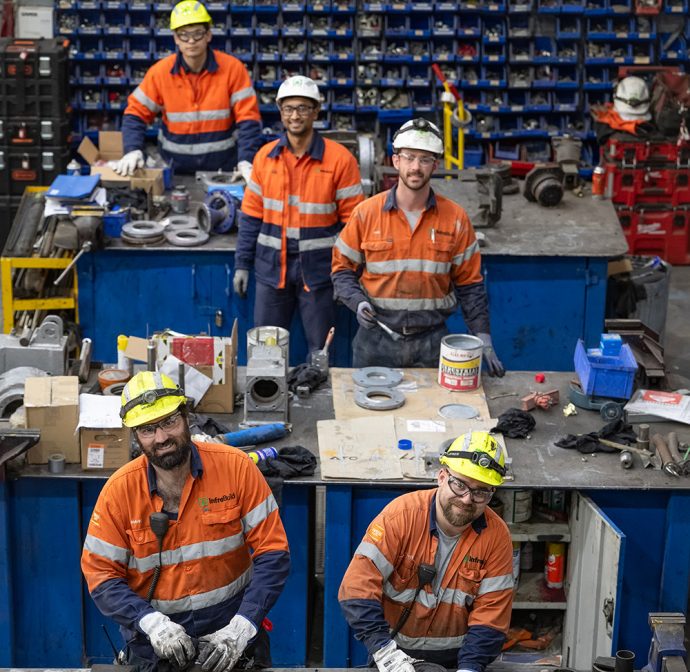
InfraBuild’s Workforce Renewal System is an integrated people strategy addressing long-term workforce capability and future skills needs. It combines workforce planning, leadership development, succession, knowledge transfer, inclusion, employee listening and wellbeing.
The programme responds to an ageing workforce, retirement exposure, scarce technical talent, digitalisation, sustainability-related skill changes and stronger leadership requirements. Strategic Workforce Planning identifies critical roles, succession gaps, recruitment pressures and future capability needs, enabling targeted action.
The ADAPT Leadership Framework defines five principles: Applies Commercial Insight, Drives High Performance, Acts with Integrity, Prepares for the Future and Takes Ownership. Developed with around 85 employees, it provides a common language for recruitment, development, performance and succession planning.
Supporting elements include talent and succession planning, transition-to-retirement programmes, graduate and early-career pathways, inclusion initiatives, Culture Amp lifecycle listening and the WeCare wellbeing programme. Together, they strengthen continuity, knowledge retention, development and performance.
In 2026, InfraBuild employed 4,322 people across 130 sites; 28% were aged 55 or older. Of roughly 303 critical roles, about 103 were held by employees over 55. The graduate programme achieved 97% retention, with women receiving 42% of accepted offers. Female workforce representation rose from 13.9% to about 16%, and female leadership representation from 10.2% to 16.1%.
Engagement and wellbeing are central. The Your Voice survey achieved 74% participation; more than 300 employees became accredited Mental Health First Aiders; and over 30% of leaders completed caring-conversation training. The programme has improved retention, succession readiness, leadership capability and health, safety and wellbeing performance.
Overall, InfraBuild presents a practical, replicable model for safeguarding critical knowledge, strengthening leadership, attracting talent, improving inclusion and building a resilient future steel workforce.
Jindal Steel Limited
Dakshata – Engineering safety, one duty position at a time
Dakshata is a competency-based workforce safety programme tailored to specific job roles. It replaces generic training and attendance-based measures with verified capability, recognising that steelworkers performing different tasks face different hazards.
For each duty position, Dakshata defines required safety knowledge, practical skills, emergency preparedness and behaviours. Employees are assessed, gaps identified, targeted development assigned and proficiency reassessed before deployment, creating a continuous cycle of assessment, intervention and accountable placement.
The programme’s “Safety Lens” covers more than 27,100 executives and non-executives across six locations. Assessment of 11,639 non-executive workers exposed a “knowing-doing gap”: average safety knowledge scored 0.81, versus 0.71 for demonstrated skills. Results informed individual development plans, departmental risk maps and targeted interventions. A further 16,539 new hires were screened before receiving workplace access.
Dakshata integrates the Naveen Jindal Skill Centre, a Safety Park, on-the-job training, digital learning and certified internal trainers. It delivered 372 safety and HSE programmes, achieved 96% completion and developed 69 certified safety trainers.
Digital tools reinforce the system. At Raipur Machinery Division, AI-enabled video analytics detect unsafe acts, conditions and behaviours in real time. Breathalyser-controlled access with facial recognition, digital risk analytics and mechanisation of high-risk work provide continuous feedback and targeted intervention.
Reassessments showed a 95% reduction in workers at the lowest proficiency level and a 252% increase at the highest. In FY2025–26, safety observations reached 17,752; 379 high-risk tasks were eliminated or mechanised; emergency response times improved by 15%; and the Raipur facility achieved zero Lost Time Injury Frequency Rate.
Overall, Dakshata shifts safety from compliance training to evidence-based workforce readiness. By linking competency assessment, practical verification, digital analytics, leadership accountability and contractor management, Jindal Steel has created a scalable model for complex industrial operations.
Tata Steel
Building an AI-ready enterprise: Transforming workforce capability into business value
Tata Steel’s “Building an AI-Ready Enterprise” programme prepares employees across the organisation to adopt, apply and scale artificial intelligence in ways that generate measurable business value. Recognising that technology alone does not create sustained value, Tata Steel developed an enterprise-wide “Capability-to-Value Ecosystem” linking workforce skills with adoption, ownership and measurable outcomes.
The framework moves employees from awareness and capability building to practical use and value realisation. Its interconnected elements include the School of AI for structured learning; AURA (AI User Readiness & Actionable) for awareness and experimentation; AURA Circles for peer learning; an AI Champions Network for local ownership; and AI Reverse Mentoring, through which digitally skilled employees coach senior leaders. Together, they support everyone from frontline workers to executives.
A “Learning by Doing” approach demonstrated AI’s value first in employee-facing processes. Tools for résumé screening, interview scheduling, document validation, onboarding and employee support improved productivity and reduced manual work, providing visible successes that encouraged wider adoption.
The programme reached more than 28,000 employees, with 71% active participation and 82% completion. Employees generated over 400 AI use cases and more than 350 reusable prompt assets. The initiative supports over 600 models and agents across manufacturing optimisation, predictive maintenance, supply-chain planning, digital twins, quality and productivity. It transformed 12 employee processes, identified 118 further opportunities and enabled an AI portfolio with estimated potential value above ₹1,500 crore.
Its main achievement is an AI-ready culture in which employees contribute directly to innovation and business transformation. By combining leadership sponsorship, workforce development, business ownership and measurable outcomes, Tata Steel offers a scalable model for enterprise AI adoption.
The programme’s greatest achievement is not the number of employees trained but the creation of an AI-ready culture where employees actively contribute to innovation, problem solving and business transformation. By integrating leadership sponsorship, workforce development, business ownership and measurable outcomes into a single framework, the initiative is a scalable and replicable model for enterprise AI transformation.
Usinas Siderúrgicas de Minas Gerais S.A. (USIMINAS)
Steel Minds, Stronger Futures: The USIMINAS mental health programme
Launched at Usiminas’s Ipatinga steelworks in January 2025, Steel Minds, Stronger Futures responds to rising workforce mental-health challenges and new Brazilian psychosocial-risk requirements. It reframes mental health from reactive healthcare to a proactive workforce-sustainability strategy embedded in daily operations.
Designed for a predominantly male industrial workforce where stigma remains strong, the programme has four connected pillars: prevention and awareness; accessible psychological and social support; psychosocial-risk management; and leadership development. Together, they aim to create a psychologically safer workplace and strengthen resilience, wellbeing and productivity.
Awareness activities include campaigns, daily safety dialogues, webinars, conversation circles and workshops on anxiety, depression, suicide prevention, bullying, masculinity, diversity, neurodivergence and family wellbeing. Bringing these discussions into blast furnaces, logistics and rolling mills helps reduce stigma in operational areas.
Support is provided through occupational psychologists, social workers and external healthcare partners. From January 2025 to June 2026, the programme delivered 1,176 psychological and 2,281 social-service assessments. Around 43% of employees received individual support, including referrals to psychologists, psychiatrists, financial advisers and specialist programmes.
Proactive risk management includes company-wide psychosocial-risk mapping, completed in December 2025 with 69% employee participation. The findings enable earlier identification and targeted intervention, complemented by assessments following workplace accidents, mental-health screenings and specific wellbeing needs.
Leadership capability is developed through the Healthy Manager Project, which provides training, psychological assessment and coaching so managers can recognise risks, support employees and build psychologically safe teams. Between late 2025 and mid-2026, 133 managers completed specialised training and 111 joined the project directly.
The programme is a wellbeing and sustainability initiative supporting productivity, engagement, retention and community resilience. The model is now being expanded to other operations and is presented as a scalable approach that could be replicated across the global steel industry.
Excellence in communications programmes

Aceros AZA S.A.
Healing domes resignifying weapons into safe spaces for children through material metaphor
Aceros AZA’s “Healing Domes” project is a communications and social-impact initiative responding to violence and insecurity in vulnerable Chilean communities and schools. Rather than presenting the destruction of confiscated weapons as a routine industrial process, AZA showed how steel recycling can support social healing, safety and community wellbeing.
Building on a long-standing partnership with the Chilean government, AZA melted 22,803 illegal and confiscated firearms in 2025, recovering approximately 3.5 tonnes of steel. The material became the first Healing Dome, a psychosocial support space at a vulnerable elementary school in Maipú. Its central message was that steel can transform symbols of violence into places of protection, recovery and hope.
The communications strategy centred on “storydoing” rather than storytelling. AZA documented the steel’s full journey, from weapons entering the electric arc furnace to construction of a protective space for children. Audiovisual content and creative partnerships helped make the transformation visible, understandable and emotionally resonant.
Without paid advertising, the campaign reached more than three million people organically, generated over €120,000 in earned media value and contributed to a 12% increase in AZA’s brand favourability. It also strengthened perceptions of the company’s commitment to social responsibility, community wellbeing and the circular economy.
The first dome provides dedicated psychosocial support for approximately 500 children and teachers. The project also influenced public policy: Chile’s Undersecretariat of Crime Prevention committed to replicating the concept through additional Healing Domes in vulnerable schools across the country, extending the initiative beyond its original location.
Overall, Healing Domes combines steel recycling, circular-economy principles and creative communications to deliver reputational value alongside tangible community benefits. It demonstrates how an industrial material and process can be reframed as a powerful platform for public engagement and positive social impact.
Gerdau S.A.
Gerdau’s steel shaping the world’s largest skateboard ramp and new global records
Gerdau partnered with Red Bull to showcase steel’s strength, versatility and sustainability through an unprecedented sporting event. The project transformed Porto Alegre’s iconic Fernando Ferrari Administrative Center (CAFF) into the world’s largest temporary skateboarding ramp, creating a striking platform for brand storytelling and public engagement.
Inspired by the building’s curved façade, the September 2025 Red Bull Building Drop used 50 tonnes of Gerdau steel to create an 88.91-metre structure. Brazilian skateboarder Sandro “Mineirinho” Dias, a six-time world champion, set two Guinness World Records™: the highest drop on a temporary quarter pipe at 70 metres and the fastest speed on one at 90.8 km/h.
Beyond the records, Gerdau sought to connect with younger audiences, demonstrate innovation and sustainability, strengthen employer branding and move beyond a traditional business-to-business identity. The event also carried local significance: Porto Alegre is Gerdau’s birthplace, and the project, staged one year after devastating regional floods, symbolised resilience and recovery.
The ramp demonstrated steel’s capabilities and circularity. As one of Latin America’s largest recyclers, Gerdau highlighted its use of recycled materials. More than 90% of project waste was diverted from disposal, and steel from the temporary structure returned to the production cycle.
Communications results were substantial. Gerdau recorded more than 1.4 million views on its social channels, while the live broadcast attracted over 4.4 million views and peaked at 119,000 concurrent viewers. Coverage appeared in 46 countries; Red Bull’s global channels reached more than 24.4 million people; and content was shared across 58 countries. Gerdau positioned the campaign as an integration of brand, sustainability, innovation, employer branding and social impact.
Hyundai Steel Company
Hyundai Steel × aespa dirty work music video collaboration
The Hyundai Steel × aespa “Dirty Work” collaboration combined industrial storytelling with global K-pop culture to reshape perceptions of steel. Hyundai Steel’s active Dangjin Steelworks became the setting for aespa’s 2025 music video Dirty Work, bringing together a leading Korean steelmaker and a globally influential music group.
The campaign aimed to make steel more accessible to younger international audiences. It connected aespa’s “Iron Taste” aesthetic—metallic textures, strength, futurism and confidence—with steel’s role in modern life, moving beyond perceptions of steelmaking as distant and purely technical.
Filming took place over three days in May 2025 at five steelworks locations, including the raw-material storage dome, pig-iron yard, scrap yard and main access road. The production involved 492 cast and crew members and extensive safety, security and operational planning. Industrial infrastructure, equipment and steel scrap became active elements of the visual narrative.
The collaboration linked Dirty Work themes of resilience, determination and difficult challenges with steelmaking’s essential role in society. Hyundai Steel also highlighted technological innovation and lower-carbon production capabilities.
The campaign generated more than 253 million views, 2.56 million likes and 85,788 comments. The song reached No. 5 on the Billboard Global 200 and No. 2 on the Billboard Global Excluding U.S. chart, with media and social coverage extending its reach.
Internally, the initiative strengthened employee pride, with staff welcoming the global visibility given to their workplace. Hyundai Steel presents the project as a pioneering example of an operating steel plant becoming a cultural platform through which audiences can experience and share steel’s value in a memorable way.
POSCO
POSCO Studio
POSCO’s “POSCO Studio” project is a digital communications initiative designed to reshape perceptions of steel, particularly among 18–34-year-olds. Rebranded from POSCO’s YouTube channel in 2024, it became an always-on storytelling platform presenting modern steelmaking as innovative, technology-driven and essential to a sustainable future.
From July 2025 to July 2026, POSCO produced three original series. The Evolution of Steel used documentary storytelling to explore decarbonisation, hydrogen-based steelmaking, electric arc furnaces and the industry’s sustainability transition. Steelworks Safari explained AI, robotics and automation through nature-documentary analogies. Posfile used short-form formats, memes and visual storytelling to introduce advanced steel products and technologies.
The programme sought to increase relevance among younger audiences, improve understanding of steel’s role in everyday life and shift perceptions from outdated and polluting to eco-friendly, high-tech and future-oriented. Entertainment-led storytelling, accessible language and formats tailored to YouTube viewing habits supported these objectives without adopting a traditional corporate tone.
POSCO Studio surpassed 360,000 subscribers and added about 23,000 during the reporting period, while cumulative views exceeded 22 million. Viewers aged 18–34 represented 87% of the audience, up from 68.8%. Posfile averaged more than 1.4 million views per episode, and The Evolution of Steel generated over 11,000 viewer-to-subscriber conversions.
Viewer surveys indicated measurable perception shifts: 96% of respondents reported a more positive view of the steel industry, 92% believed steel production is becoming more eco-friendly and high-tech, and 91% said the content improved their understanding of the industry.
The project is a new communications model for steel, showing how digital platforms, creative storytelling and transparent discussion of sustainability and technology can connect the industry with future generations.