Safety and Health Excellence Recognition 2026
A showcase of excellence in safety and health management practices from around the world
Foreword
World Steel Association (worldsteel) members continue to demonstrate their commitment to safeguarding their people through innovative approaches to safety and health. The six projects featured here represent some of the strongest submissions received. As in previous years, the jury faced a difficult task due to the outstanding quality of submissions.
We noticed a stronger focus on leadership engagement, management of potential serious injuries and fatalities (PSIFs), ergonomics, and integration of psychological wellbeing with physical fitness. Smart connected systems integrating robotics, artificial intelligence, virtual reality and real-time monitoring and alerts continue to play a key role in reducing serious injuries and catastrophic incidents at member facilities.
I would like to congratulate and thank all participating companies for their continued dedication and efforts.

Manager, Safety and Health
World Steel Association
Four categories and six recognised companies:





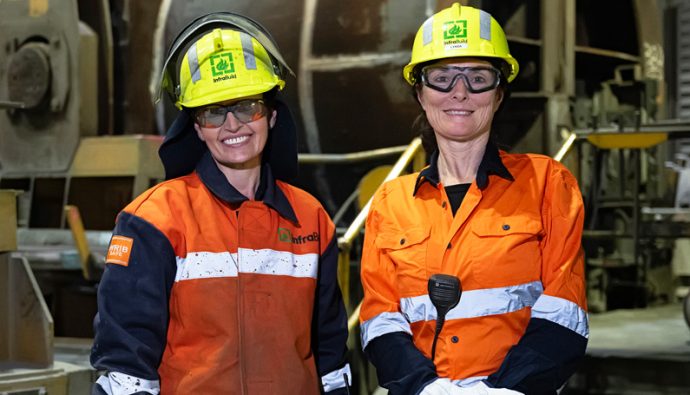
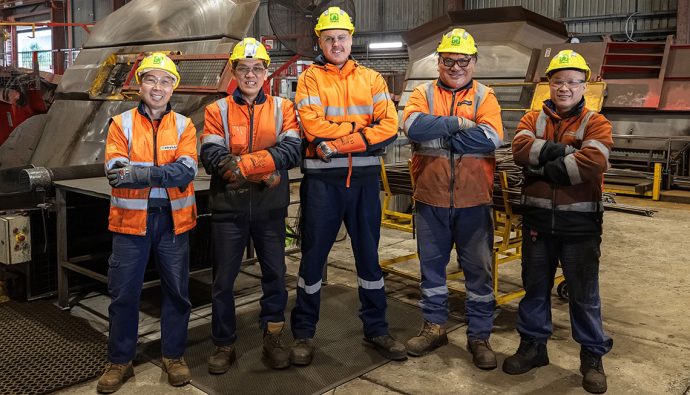
Infrabuild | Risk excellence through integration of physical and psychosocial safety | Australia
World-class safety performance is achieved when people trust that their voice matters.
Recognising the critical connection between psychological and physical safety, this initiative integrated both disciplines into a single enterprise-wide framework built on trust, leadership accountability and proactive risk management. Executive-led HSE Principles established a consistent approach to managing risk, while leadership development, workforce participation, critical control management and mental health initiatives created the conditions for people to actively engage in safety.
The result has been a profound cultural shift from compliance and underreporting to openness, learning and shared ownership of risk. This culture of trust was confirmed through the annual employee survey, in which 80% of the workforce participated and rated their trust in safety and willingness to speak up at 8.9 out of 10.0. Employees are more willing to intervene, challenge unsafe conditions and participate in continuous improvement, while leaders are better equipped to create psychologically safe environments and manage critical risks.
By transforming trust from an aspiration into a measurable and practical element of safety management, the initiative has delivered measurable improvements in culture, engagement and safety performance, demonstrating a scalable model for safety excellence across high-risk industries.
Key data highlights
500%increase in psychosocial hazard reporting | 8.9 / 10.0workforce trust in safety and speaking up score in 2026 from 7.4 in 2023 |
4.7 / 5.0leadership capability increased from 3.1 before frontline leadership development programme | 54%reduction in TRIFR over five years, supporting the link between culture, leadership and safety outcomes |
GOLDWinner of 2026 Australian Financial Review (AFR) BOSS Best Places to Work | |
2%workers’ compensation claims related to mental health, compared to an industry average of 15% | >60critical controls improved in 12 months, including engineering solutions and physical barriers |

JFE Steel Corporation | A Deployable machine safety system integrating interlocks, human detection, and safeguarding to eliminate fatality risk | Japan
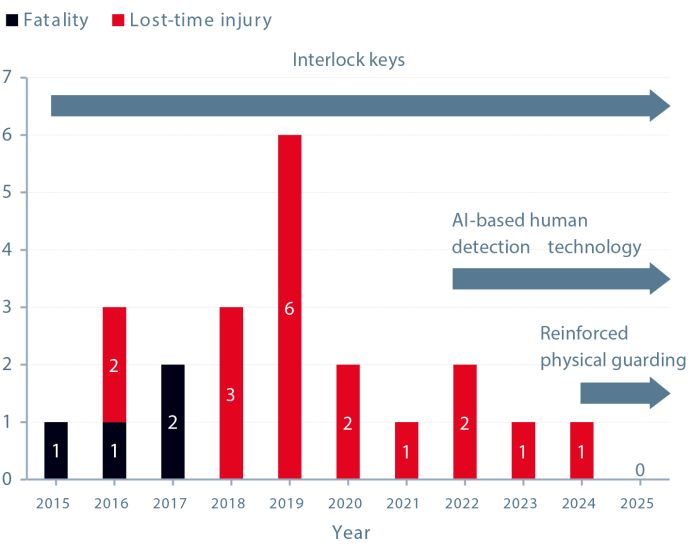
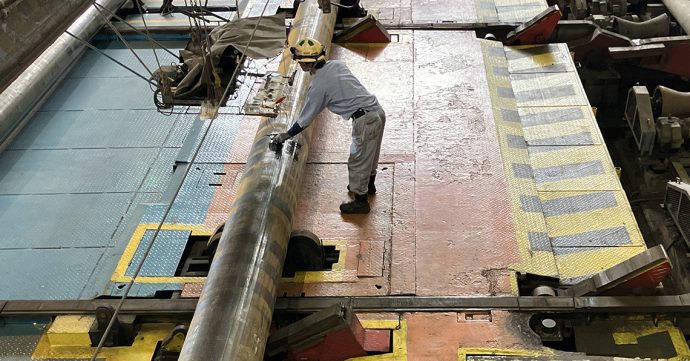
Following a fatal caught-in machinery accident in 2015, JFE transformed their safety approach from one that relied on human behaviour to a system that ensures safety through engineered controls. This initiative integrates three complementary measures: interlock keys, AI-based human detection technology, and reinforced physical guarding.
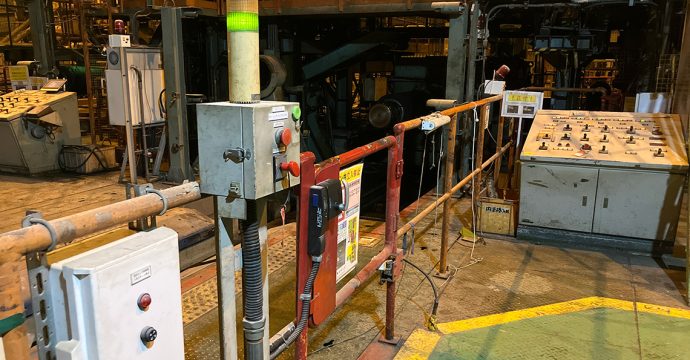
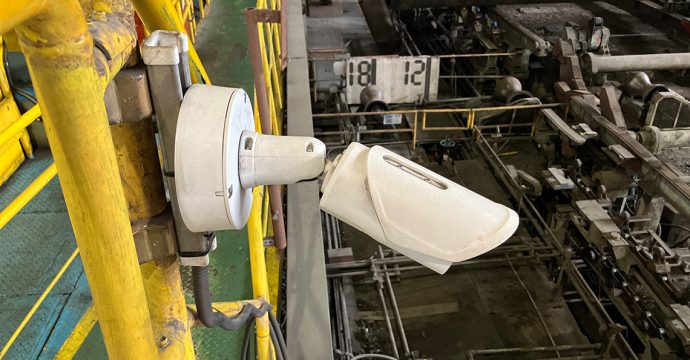
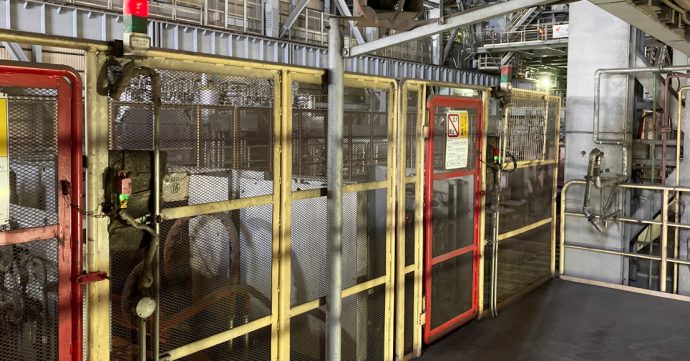
Previously, workers were required to stop equipment before approaching it. However, the possibility of human error remained, creating a risk of entering hazardous areas. To eliminate this risk, interlock keys were installed on access doors, allowing entry only when equipment is in a safe condition. In areas where workers might instinctively reach toward moving parts, AI cameras detect human presence and automatically stop equipment if a person enters the danger zone. Physical guards were also strengthened to prevent access to hazardous points altogether. By integrating these three engineering controls, the company established a system that protects workers even when intentional violations or unintentional human errors occur.
The human detection technology has also been applied to legacy equipment where hazardous areas cannot be fully isolated, improving safety without requiring extensive equipment modifications.
| Caught-in and entanglement accidents resulting from intentional or inadvertent entry into hazardous areas
|
Key data highlights
ZERO fatalitiesfor eight consecutive years, since 2018, from caught-in and entanglement accidents caused by intentional or inadvertent entry into hazardous areas |

Mobarakeh Steel Company | Pre-employment psychological fitness-for-work and early support programme | Iran
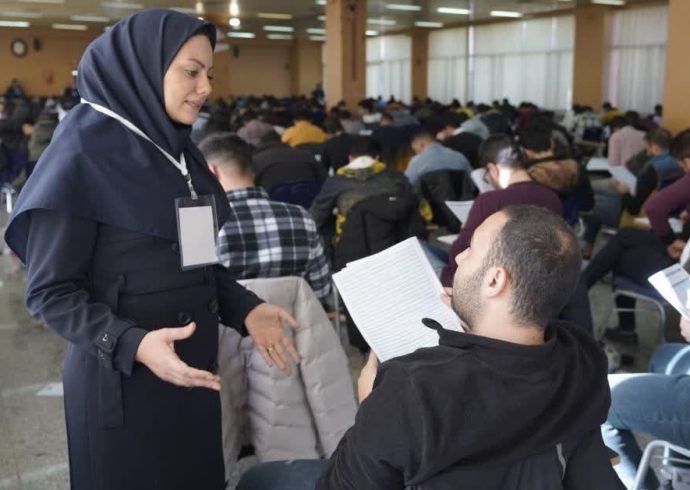
Before 2022, pre-employment medical evaluations focused mainly on physical health, with no consistent process for assessing psychological readiness for demanding or safety-critical work. To address this gap, the company integrated a standardised psychological assessment, including the Minnesota Multiphasic Personality Inventory (MMPI), into routine occupational health screening for all prospective hires.
To ensure no test result is interpreted in isolation, every candidate completes a structured, confidential professional interview in addition to the assessment. Findings are interpreted within their wider occupational and individual context.
Candidates requiring deeper evaluation proceed to specialist clinical review and, where necessary, multidisciplinary Mental Health Commission review. No test score or diagnosis alone determines fitness for work. Decisions are role-specific and may include routine progression, support, job-task matching, referral, temporary deferral or reassessment. All clinical information remains confidential within occupational health.
The programme has embedded psychological fitness-for-work into recruitment as an upstream occupational health control, using universal assessment, professional interviews with proportionate specialist escalation, ethical safeguards, multidisciplinary governance and structured support to deliver a practical and adaptable model.
Key data highlights
3,745candidates assessed since implementation in 2022 |
100%coverage of prospective hires |
251 / 6.7%candidates identified as requiring further professional review before placement |
Nippon Steel Slovakia s.r.o. (NSSK) | Reducing physical workload and fatigue risks for crane operators | Slovakia
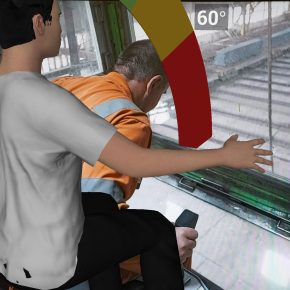
Crane operators in steel production are exposed to prolonged sitting, repetitive movements, hand-arm vibration, restricted visibility, and awkward working postures that can contribute to musculoskeletal disorders and fatigue. To address these occupational health risks, a comprehensive ergonomics improvement programme was implemented based on objective exposure assessments, physiological workload measurements, and video-based ergonomic analysis. This approach enabled the identification and elimination of risk factors before health problems developed and guided targeted workplace improvements.
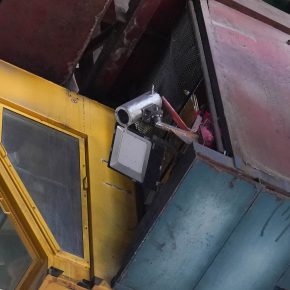
The project combined engineering and organisational controls to reduce physical strain and improve operator wellbeing. Key measures included ergonomic replacement of crane seats and controls, installation of camera systems to improve visibility and eliminate excessive torso rotation during load handling, optimisation of work organisation, employee rotation, ergonomics training, preventive health surveillance, and improvements to crane runway conditions to reduce wholebody vibration exposure.
These measures substantially reduced exposure to ergonomic stressors and fatigue-related risks. Objective assessments confirmed a 43% reduction in local muscle load and a 66% reduction in unacceptable working postures. By prioritising engineering controls and continuous monitoring, residual risks were reduced to ALARP levels while supporting long-term employee health, sustainable work ability, and prevention of fatigue-related incidents. The approach is readily transferable to steel and industrial facilities worldwide that rely on crane operations.
Key data highlights
43%reduction in local muscle load following ergonomic replacement of crane operator seats |
66%reduction in the occurence of unacceptable working postures during crane operation |
67%of cranes assessed using objective physiological workload and ergonomics evaluation methods |
 |  |

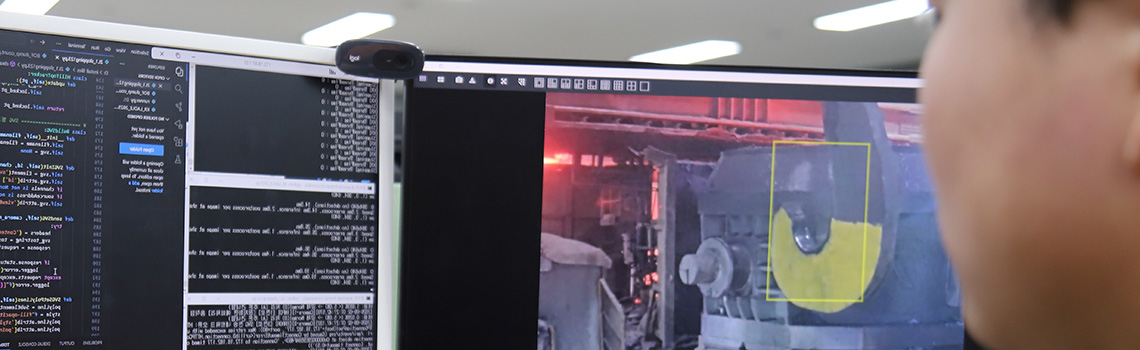
POSCO | In-house vision AI development to help prevent safety incidents | South Korea
A steelmaking plant is a high-risk environment, characterised by large volumes of molten material, metal spatter and dust. Given the inherent layout of these facilities, it is often impossible to achieve sufficient physical separation between workers and the vehicles that transport molten metal.
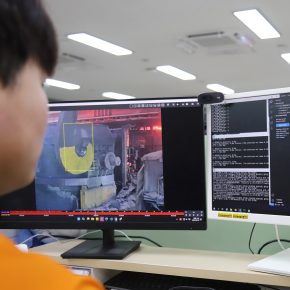
Intense heat and frequent impacts also limit the effectiveness of conventional proximity sensors, which typically remain operational for only around two months. Commercial vision AI solutions lacked the adaptability needed for changing site conditions and the scalability required for wider deployment. Therefore, POSCO empowered its domain experts to develop an in-house vision AI system, replacing human visual monitoring as the primary safeguard with a multi-layered engineering solution.
The improved system addresses seven high-risk scenarios through a combination of preventive and mitigative barriers.
- Preventive barriers automatically stop equipment when hazards such as ladle car collisions or turret rotation obstructions are detected.
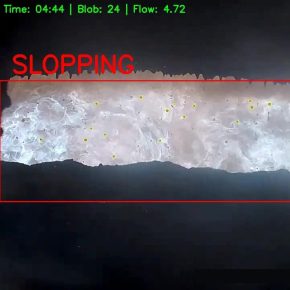
- Mitigative barriers identify early warning signs of events such as tundish overflow, mould breakout and converter slopping, and trigger corrective action.
Developed using existing CCTV systems, internal servers, and open-source software, the technology required no additional capital investment. Hence, it can be replicated across the industry.
 |  |
Key data highlights
56%reduction in high-risk events from 25 to 11 cases per month at No.2 and No.3 steelmaking plants (2022 – 2026) | ZEROcollision-related injuries and/or equipment failure since deployment on ladle car travel and crane hoisting operations |
7high-risk scenarios upgraded to engineering control – 3 preventive + 4 mitigative barriers, with ZERO additional capital investment by taking full advantage of existing CCTVs and servers | |
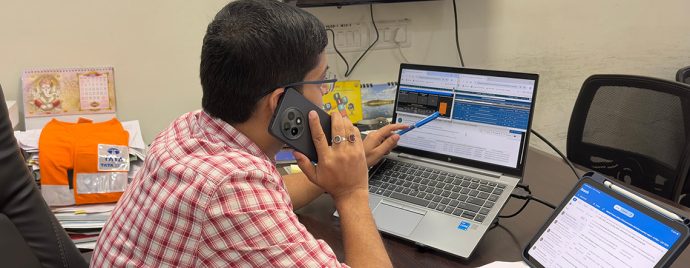
Tata Steel Limited | Strengthening barriers through real-time early warning and escalation system for preventing high-consequence process incidents| India
Tata Steel developed and implemented a real-time alert and escalation system that continuously monitors process safety critical parameters associated with high-consequence scenarios and degradation of safety barriers. The initiative has transformed process safety from passive monitoring to proactive risk control, enabling early warning signals to trigger timely preventive action.
The system automatically detects deviations beyond defined safe operating limits (SOLs), including persistent deviations, instrument malfunction, data abnormalities and interlock bypass conditions. Alerts are progressively escalated based on deviation frequency and duration, enabling timely intervention, accountability and restoration of degraded barriers.
Key Features
- Independent monitoring during local programmable logic controller (PLC) overrides or bypass conditions.
- Detection of instrument malfunction, abnormal data patterns, interlock bypasses and persistent deviations.
- Dynamic escalation based on deviation frequency and duration.
- Digital recording of alerts, escalations and actions for traceability, management review & continuous improvement.
Benefits:
The system has been deployed across 7 high-hazard departments, covering 66 high risk scenarios and 300 process safety critical parameters.
Key data highlights
High-severity process safety incidents reduced from 3 toZERO | Severe injury exposures reduced from 14 toZERO |
$ 0.84 Mestimated savings from reduced production losses and asset damage | 6critical interventions enabled through real-time alerts |