Energy use in the steel industry

Energy use in steelmaking
World crude steel production reached 1,849.4 million tonnes in 2025. Steel use is projected to increase steadily in the coming years, driven by global population growth and rising demand for steel in low‑carbon energy infrastructure.
Steel production is energy-intensive. However, sophisticated energy management systems ensure efficient use and recovery of energy throughout the steelmaking process, for use within the steelworks boundary or for export from the site.
Steelmaking energy intensity has fallen from about 50 GJ/t in the 1960s to 20.95 GJ/t in 2024 — a reduction of 58%.
Figure 1: Energy consumption per tonne of steel 1960 – 2024
Source: worldsteel benchmarking databases
Managing energy use is an integral part of operating a sustainable steelworks.
worldsteel supports its members in assessing energy use at site and process level, enabling benchmarking, comparisons between sites and the development of targeted improvement plans through its energy benchmarking tools and the Step Up programme.
Energy generation and use
The steel industry is under increasing pressure to reduce the carbon intensity of production. However, the sector’s high energy demand and reliance on continuous, high‑temperature processes limit the pace at which operations can transition to low‑carbon electricity.
In response, steel companies are pursuing a broad range of measures. These include improving energy efficiency, selectively electrifying processes where technically feasible, securing long-term power purchase agreements for lower-carbon electricity, and developing pilot projects for hydrogen-based or electric steelmaking, where economic conditions and grid availability allow.
Where possible, companies are also investing in on‑site energy generation and infrastructure, such as solar installations and related systems to help power operations directly, as well as sourcing lower‑carbon electricity from external providers to reduce the overall carbon intensity of their energy supply (links to examples of such initiatives: ArcelorMittal, Baosteel, Evraz North America, Nucor, JSW Steel). In 2024, according to data collected by worldsteel among its member companies, 1.94% of total energy used was from renewable energy.
Energy inputs
- Energy constitutes a significant portion of the cost of steel production, with costs depending largely on the type of energy used and the location of the production facility. Improvements in energy efficiency, therefore, contribute to lower production costs and improved competitiveness.
- The energy efficiency of steelmaking facilities varies depending on the production route, the type and quality of iron ore and reductant used, the amount and quality of scrap input, the steel product mix, operation control technology, and material efficiency. See Table 1 below for details.
- In addition, energy is consumed indirectly for the mining, preparation, and transportation of raw materials. In the BF-BOF route, this accounts for about 10% of the total energy required to produce the steel, including raw material extraction and steel production processes. In the EAF route, this accounts for about 5% of total energy requirements.
| Route | Coal | Electricity | Natural gas |
| Blast furnace oxygen furnace (BF-BOF) | 70-80% | 10-15% | 5-15% |
| Electric arc furnace EAF – 100% scrap | 5-15% | 50-70% | 10-25% |
| Electric are furnace – 70% DRI, 30% scrap) | 5-15% | 25-40% | 40-60% |
Table 1: Source of energy input per steelmaking routes
Source: worldsteel benchmarking databases
From global to regional cost profiles
As the steel industry shifts from globally traded coal to locally priced electricity, regional cost differences will grow. Affordable electricity will be crucial for global competitiveness.
Energy inputs as reducing agents
- The production of ore-based steel is more energy-intensive than that of scrap-based steel because of the chemical energy required to reduce iron ore to metallic iron.
- Because reduction requires temperatures of around 1700°C, reducing agents such as coal, coke, and natural gas also supply the heat required.
- Coke, in traditional BF-BOF steelmaking, is the primary reducing agent for iron ore; however, as direct reduced iron (DRI) production becomes more relevant, other reducing agents such as natural gas, hydrogen, and biomass are increasingly used in emerging steelmaking technologies.
- Up to 75% of the energy content of the metallurgical coal at an integrated facility is consumed in the blast furnace, where, in the form of coke, it serves multiple roles, including acting as a chemical reductant, supporting the furnace burden, and serving as a fuel. The remaining 25% provides heat to the sinter and coking plants and, in the form of co-product gas, serves as an energy source (displacing other fuels) for various downstream process stages. Thermal coal, by contrast, is primarily used for power generation and heat production and is not suitable for conversion into coke or use as a reducing agent in ironmaking.
- Steelmakers are increasingly experimenting with hydrogen‑based reduction, and some new greenfield plants are being developed to enable or transition towards hydrogen‑based direct reduction processes.
| Energy input | Application as energy | Application as energy and reducing agent |
| Coal | BF, sinter and coking plant | Coke production, BF pulverised coal injection |
| Electricity | EAF, rolling mills and motors | – |
| Natural gas | Furnaces, power generators | BF injection, DRI production |
| Oil | Steam production | BF injection |
| Hydgrogen | – | BF injection (methanation), DRI production |
| Biomass | BF | BF injection |
Table 2: Applications of energy inputs in steel production
Source: worldsteel benchmarking databases
Co-product gases
- Co-product gases from the coke oven, BF and BOF are used, saving on additional fossil fuel and energy resources. They typically contribute to more than 60% of a steel plant’s energy requirements and are used either as a direct fuel substitute or for the generation of electricity. Alternatively, gases can be used for power generation or exported off-site. They are flared only if no other use option is available.
- Technology now exists that allows CO2 to be captured and sold for enhanced oil recovery (EOR), agricultural applications, beverage applications, and chemical production, or permanently sequestered underground. Visit this page for more details.
Future improvements in energy efficiency
- Today’s best-available steelmaking processes optimise energy use. However, medium-term energy-efficiency improvements in the steel industry are expected through technology transfer or by applying the best available technology across all steel plants.
- Breakthrough technologies are expected to lead to major changes in the way steel is made when these new technologies reach commercial size and readiness levels/
Steel saves energy over product life cycles
- Steel production is energy-intensive, but many steel products can also enable energy savings during use, and in some applications, greater than the energy required to produce them.
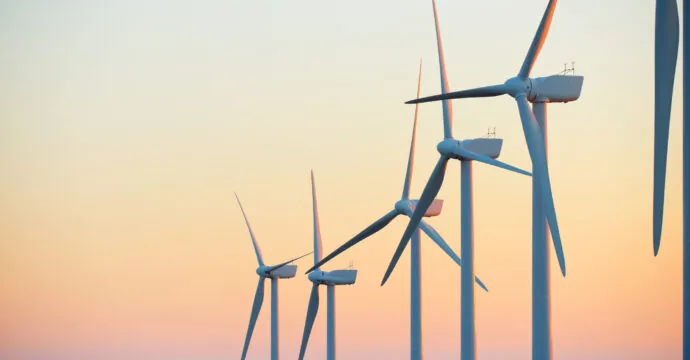
For example, over the life cycle of a V117-4.2 MW wind power plant, it will return 50 times more energy back to society than it consumed. (source: Vesta.com). - This does not lessen the importance of improving energy performance in steelmaking itself. Both realities matter: reducing energy use in steelmaking and improving the performance of the products steel makes possible.
Steel in the circular economy
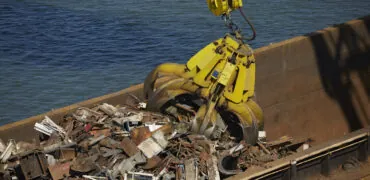
Steel can also reduce product life-cycle energy use and emissions in other ways by maximising the value of resources through improved product design, recovery and reuse, remanufacturing, and recycling. Refer to the circular economy section of worldsteel.org for more information on steel in the circular economy.
May 2026 | AP/RJ